Kanazawa - Quiet Moments
A personal journey through Kanazawa’s serene gardens, historic streets, and coastal charm. From Kenroku-en to hidden coffee spots, these are the stories and scenes that stayed with me.
Tucked along Japan’s west coast, the city offers a unique blend of historical charm, contemporary artistry, and culinary delights. Kanazawa feels like stepping into a storybook where every detail has been carefully considered. Arriving in the city, we settled into Soki Kanazawa in Kamiomicho, a hotel that felt as much a retreat as it did a starting point. Just around the corner, Toritake became our first culinary adventure–a no-frills yakitori spot that served skewers so perfectly grilled they bordered on addictive.
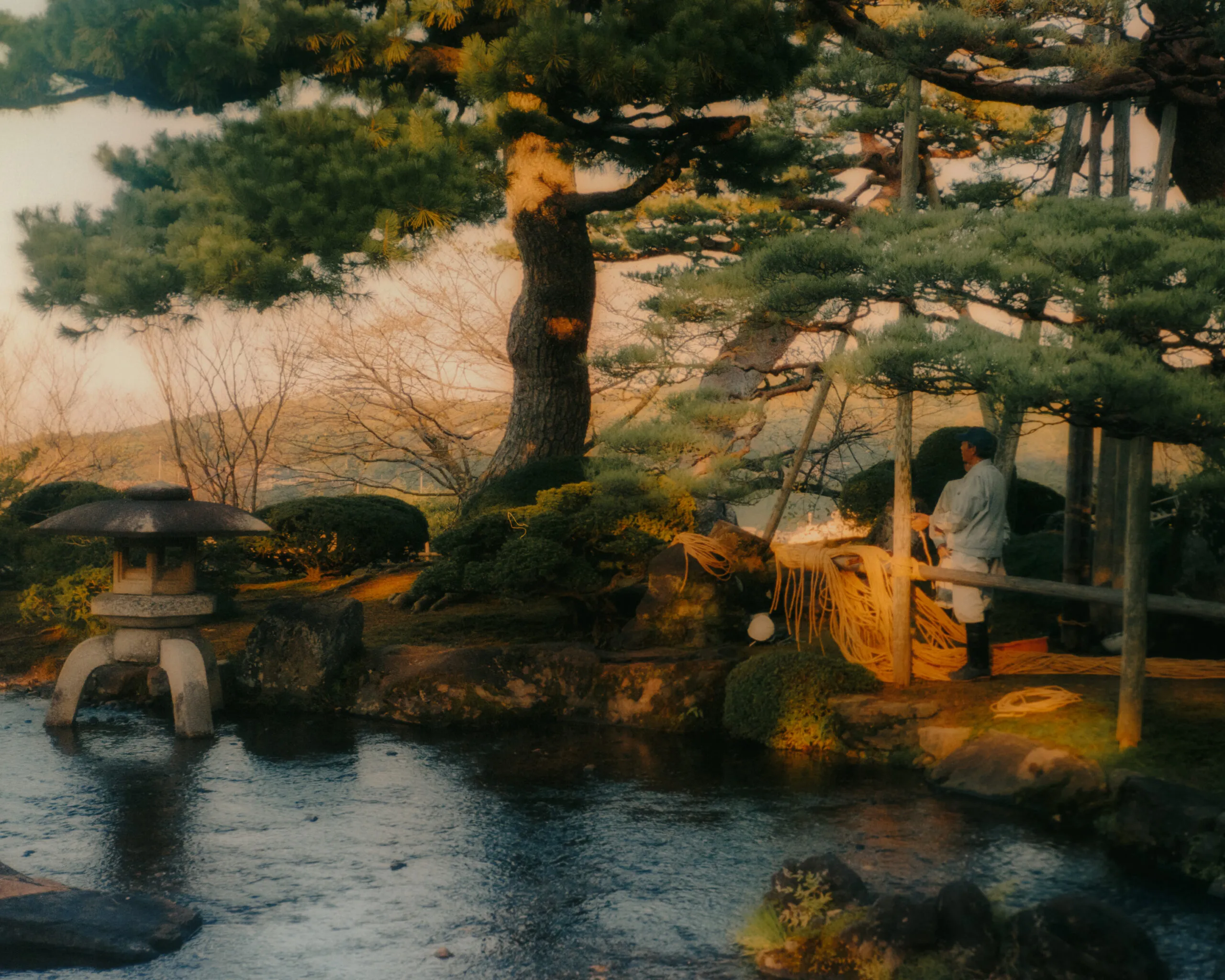
Our journey began at Kanazawa Castle and its expansive park. Though reconstructed, the castle’s wooden interiors and sweeping grounds bring history to life. But it was Kenroku-en Garden that truly stole the show. As one of Japan’s top three landscape gardens, Kenroku-en represents a pinnacle of design. The name itself means “Garden of Six Sublimities,” referring to its spaciousness, seclusion, artificiality, antiquity, watercourses, and panoramic views. Walking its paths, we came across the Kasumi-ga-ike pond, where the reflection of the Kotoji Toro stone lantern felt like a scene from a painting.
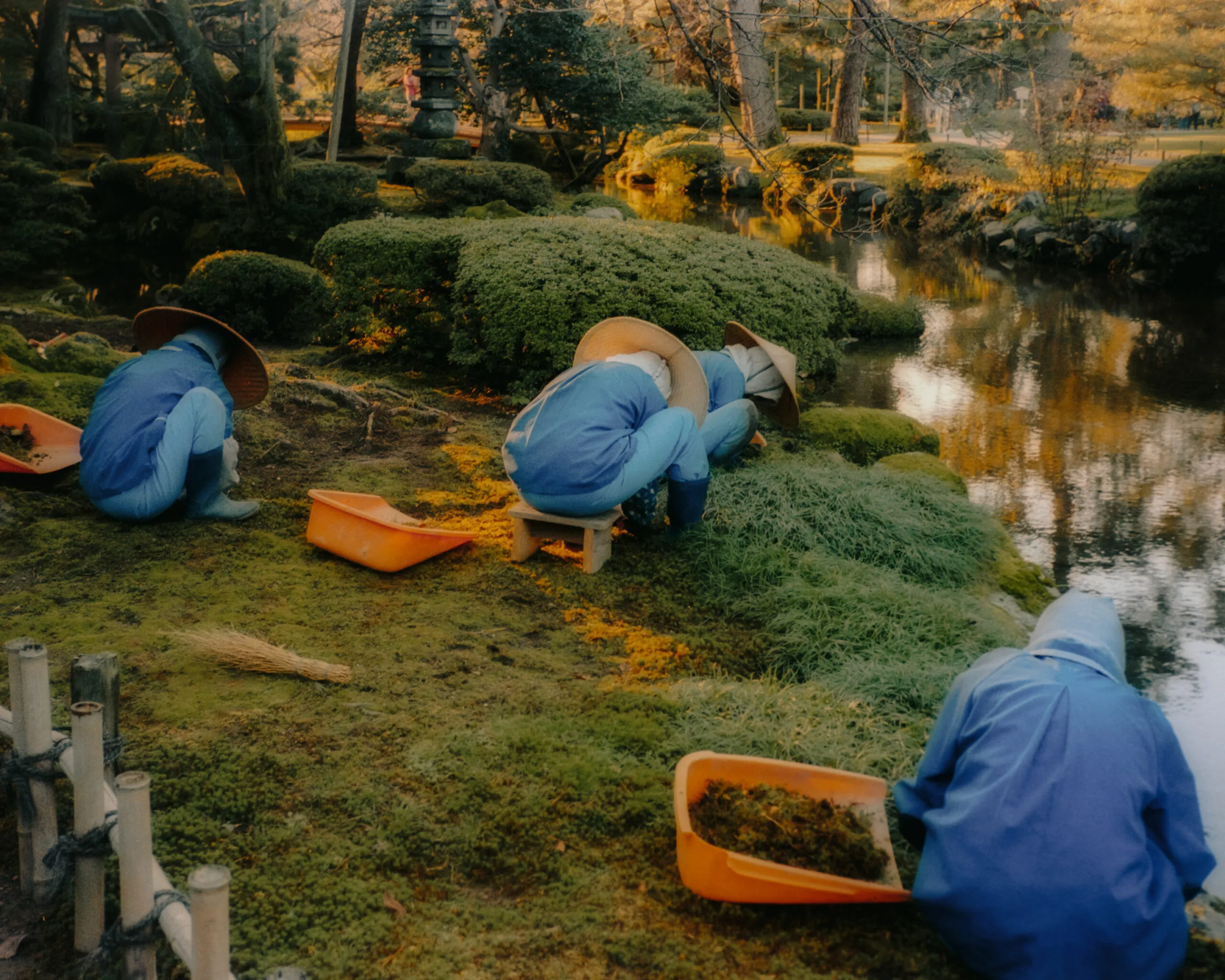
Garden artisans at work in Kenroku-en, tending to every detail with precision and care–ensuring this timeless masterpiece remains immaculate through the seasons.
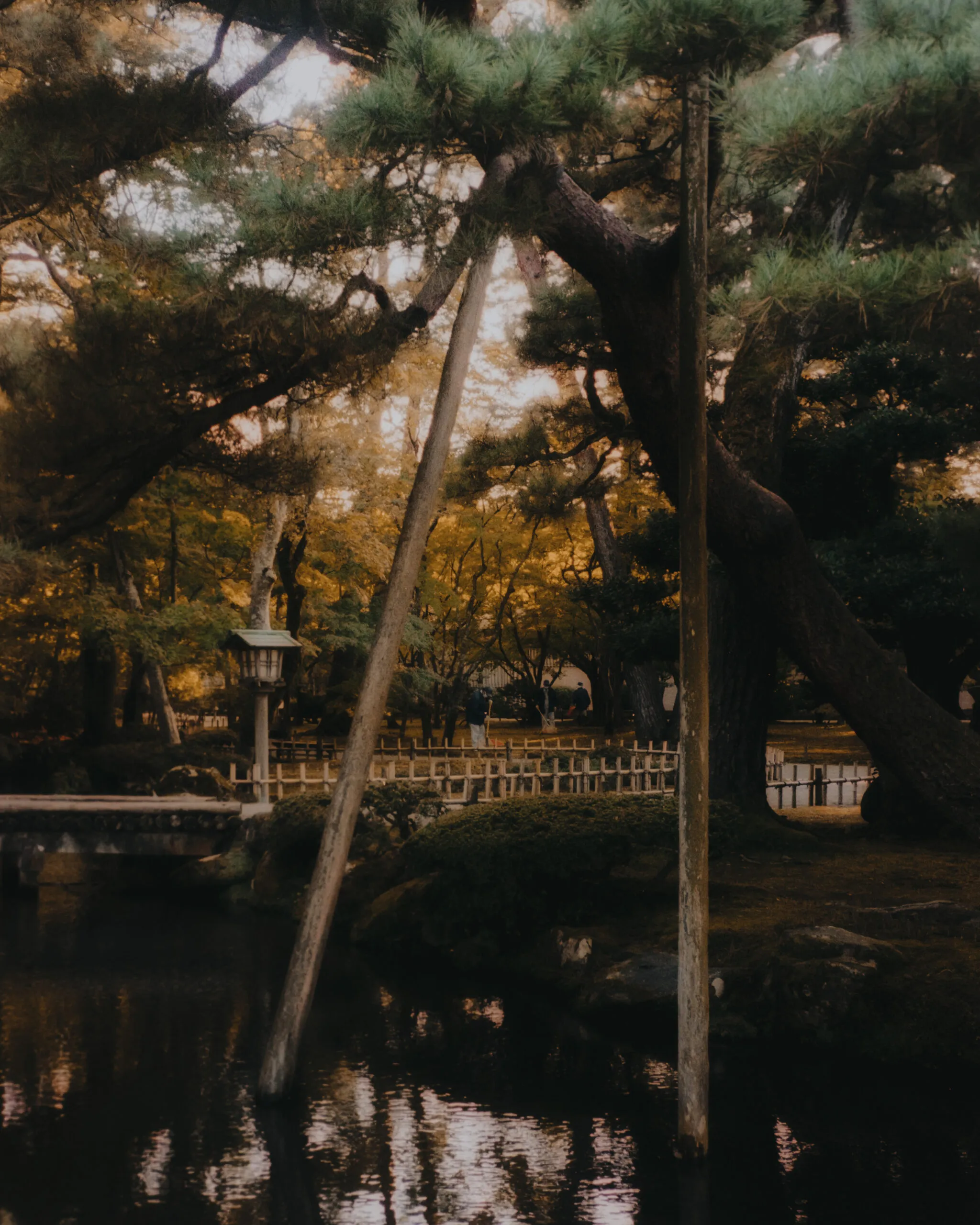
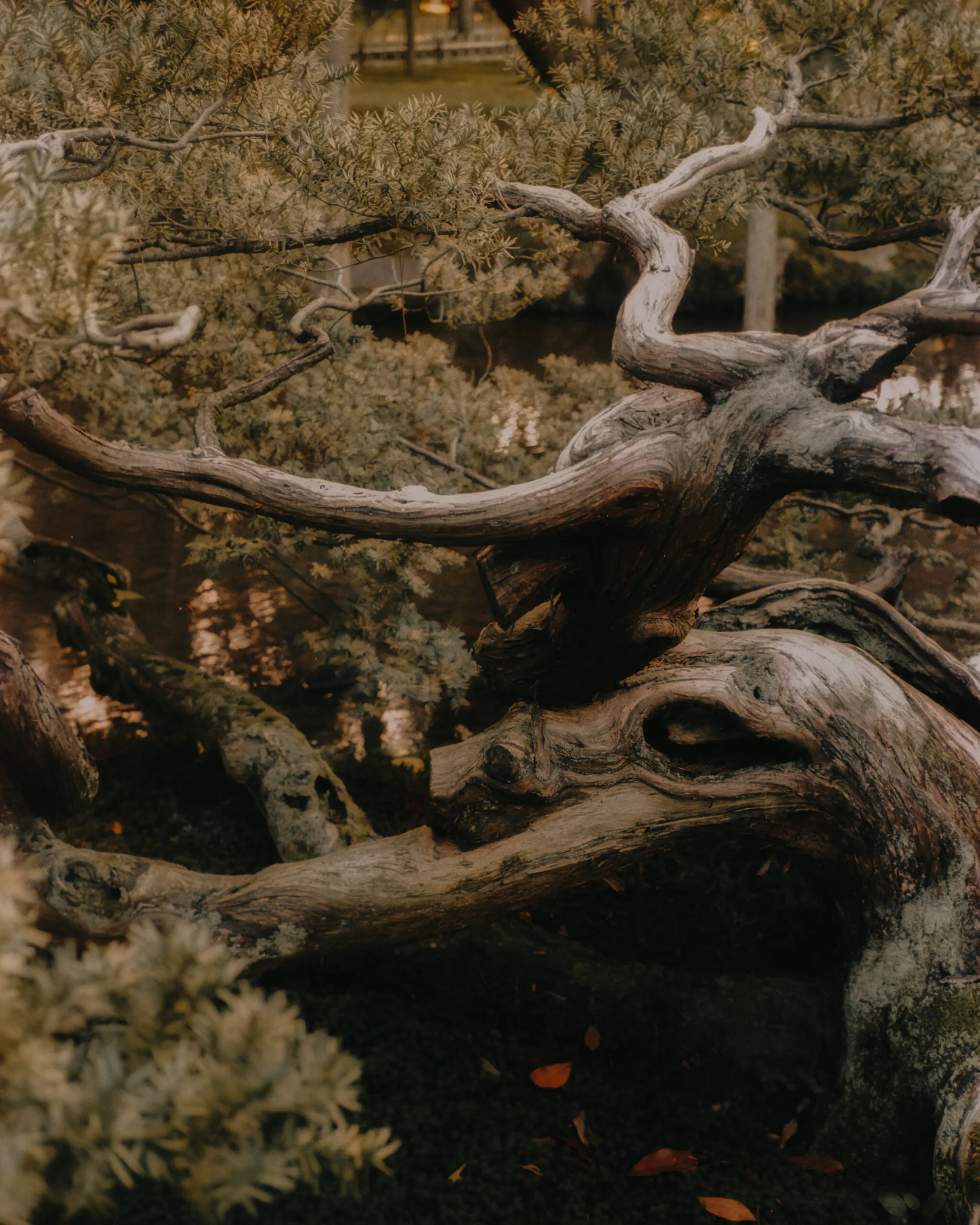
One fascinating element of Kenroku-en is its Yukitsuri technique. These delicate rope structures, tied to tree branches, protect them from heavy snowfall in winter. Even during our autumn visit, the sight of these preparations spoke to the city’s deep connection to its seasons. Fun fact: Kenroku-en’s famous Karasaki Pine was brought to the garden from Lake Biwa, and its roots are meticulously cared for to ensure its longevity.
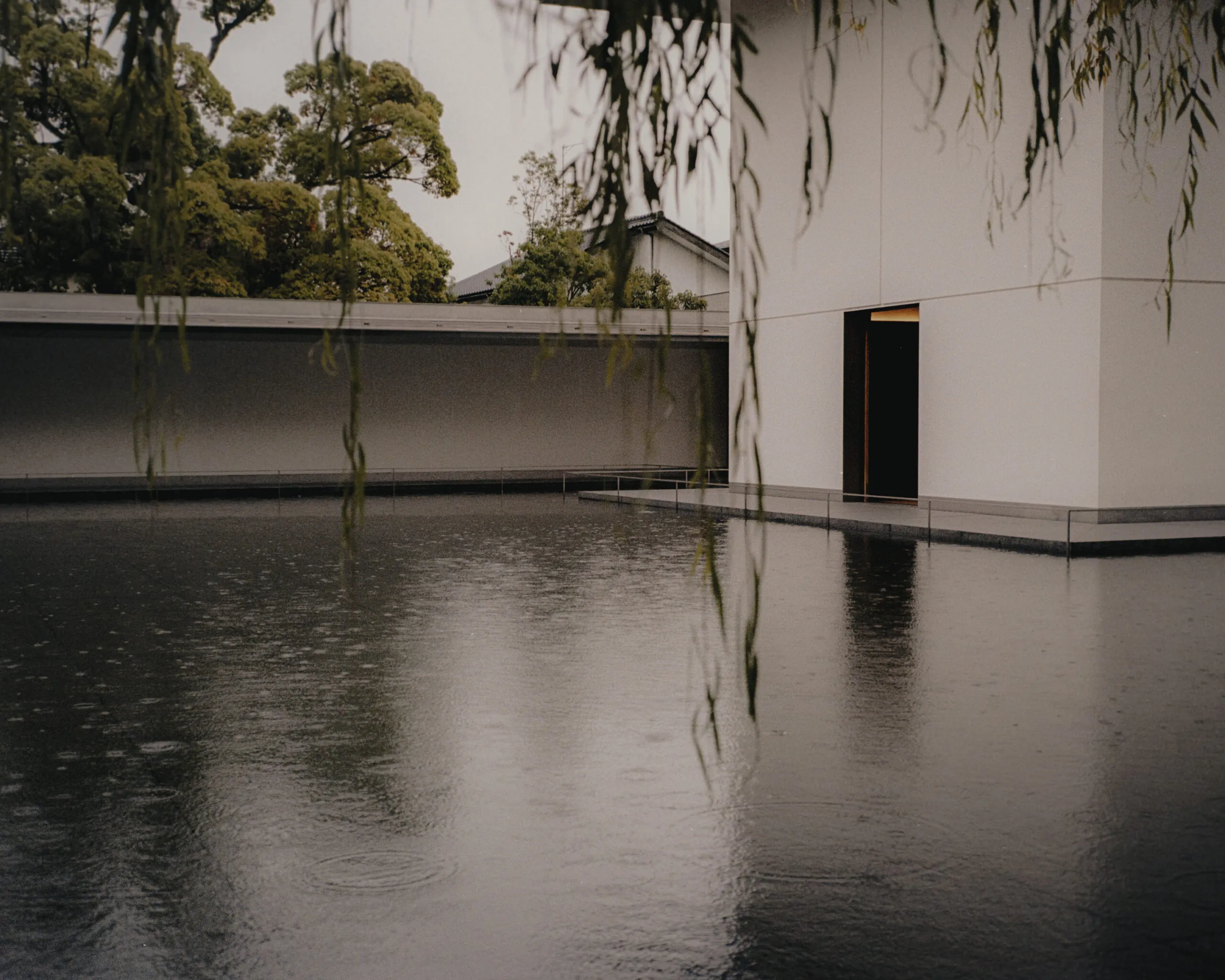
For those seeking artistic inspiration, Kanazawa doesn’t disappoint. The DT Suzuki Museum, dedicated to the influential Zen philosopher, offered a tranquil and meditative experience. Meanwhile, the 21st Century Museum of Contemporary Art juxtaposed the city’s historical depth with cutting-edge exhibitions. Strolling through Oyama Shrine provided yet another contrast–a serene space blending Japanese and Western architectural styles. A hidden gem was Townsfolk Coffee, where we enjoyed an expertly brewed cup from a barista who once honed his craft at Copenhagen’s Prologue.
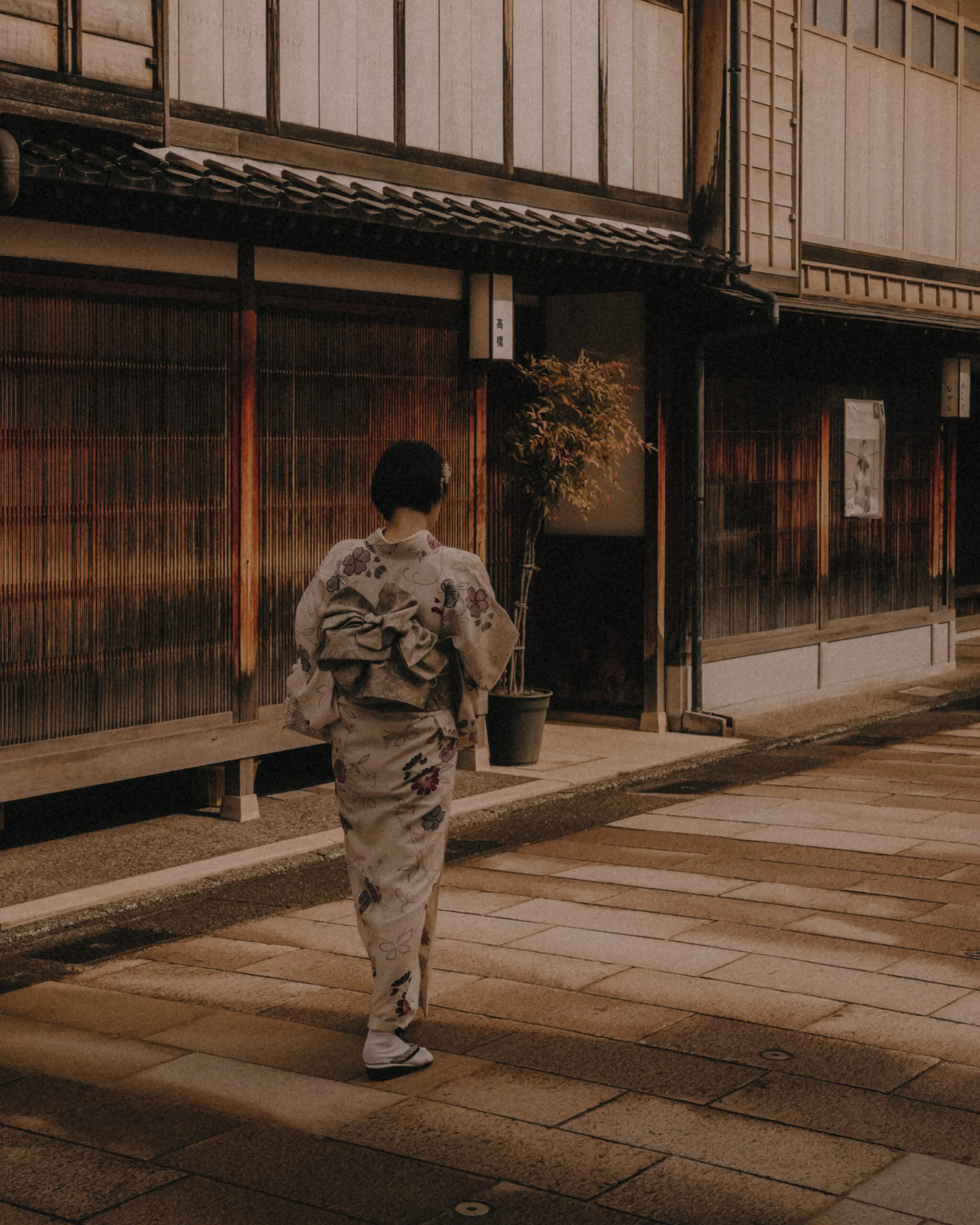
The Higashi Chaya district offered a completely different atmosphere. Known for its traditional wooden facades, this historic teahouse area once thrived as a centre of geisha culture. Wandering through its streets, we could almost hear echoes of its past. At Café Tamon, a modern touch came in the form of rice flour pancakes that were impossibly airy and paired beautifully with Kanazawa’s renowned green tea. Kanazawa, interestingly, is also home to a majority of Japan’s gold leaf production.
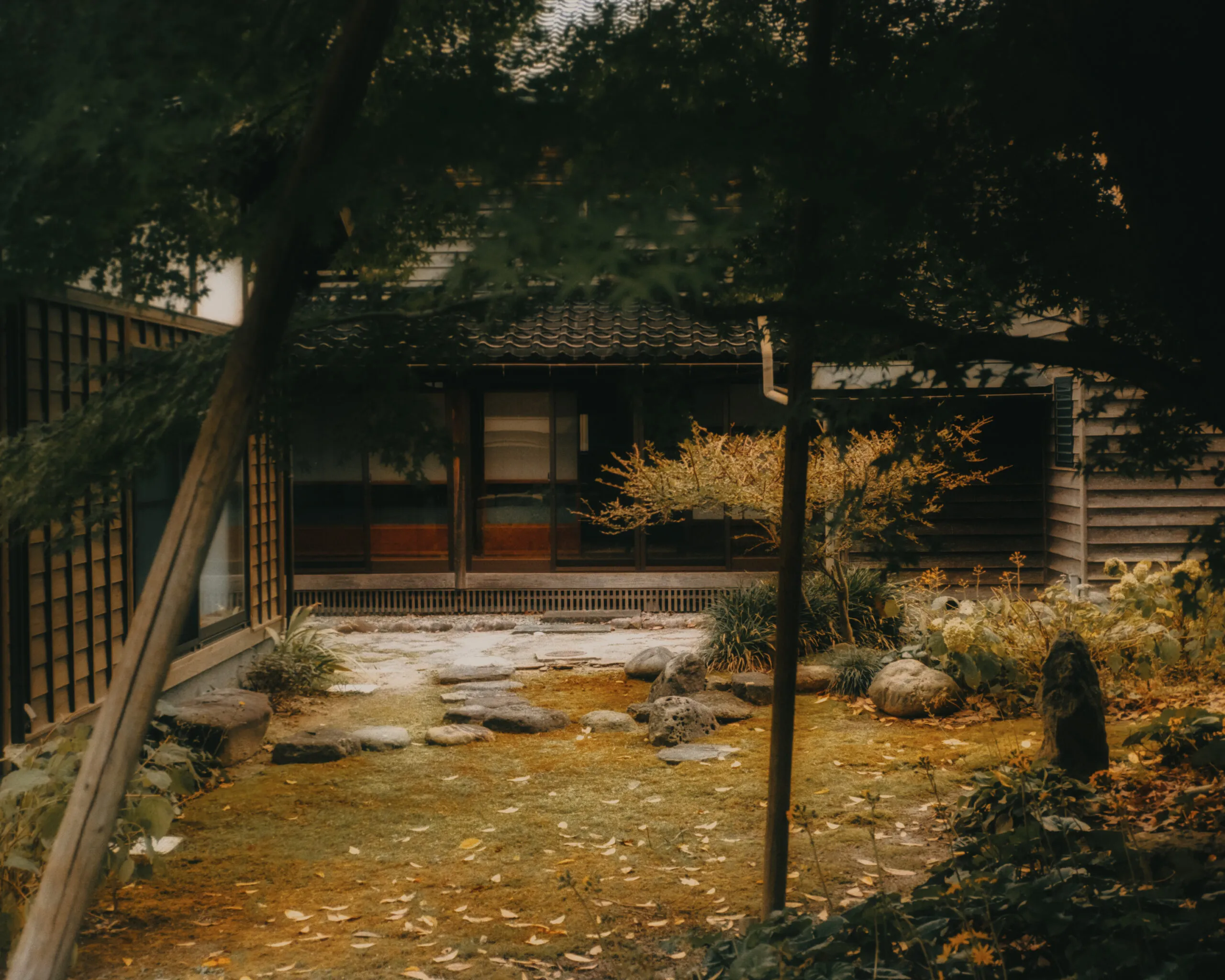
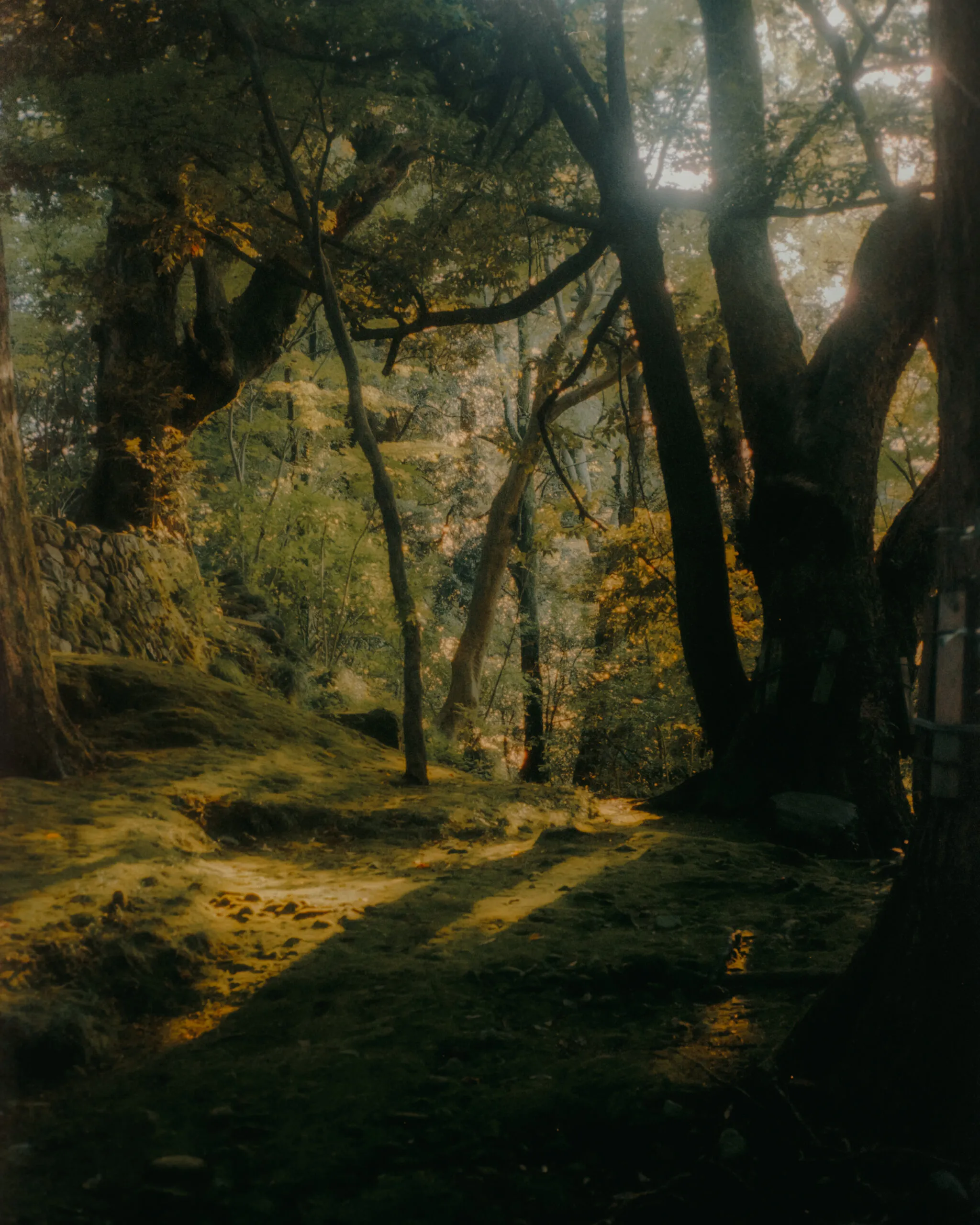
A quiet corner in Kanazawa where time seems to stand still–layers of nature, tradition, and design blending seamlessly into harmony.
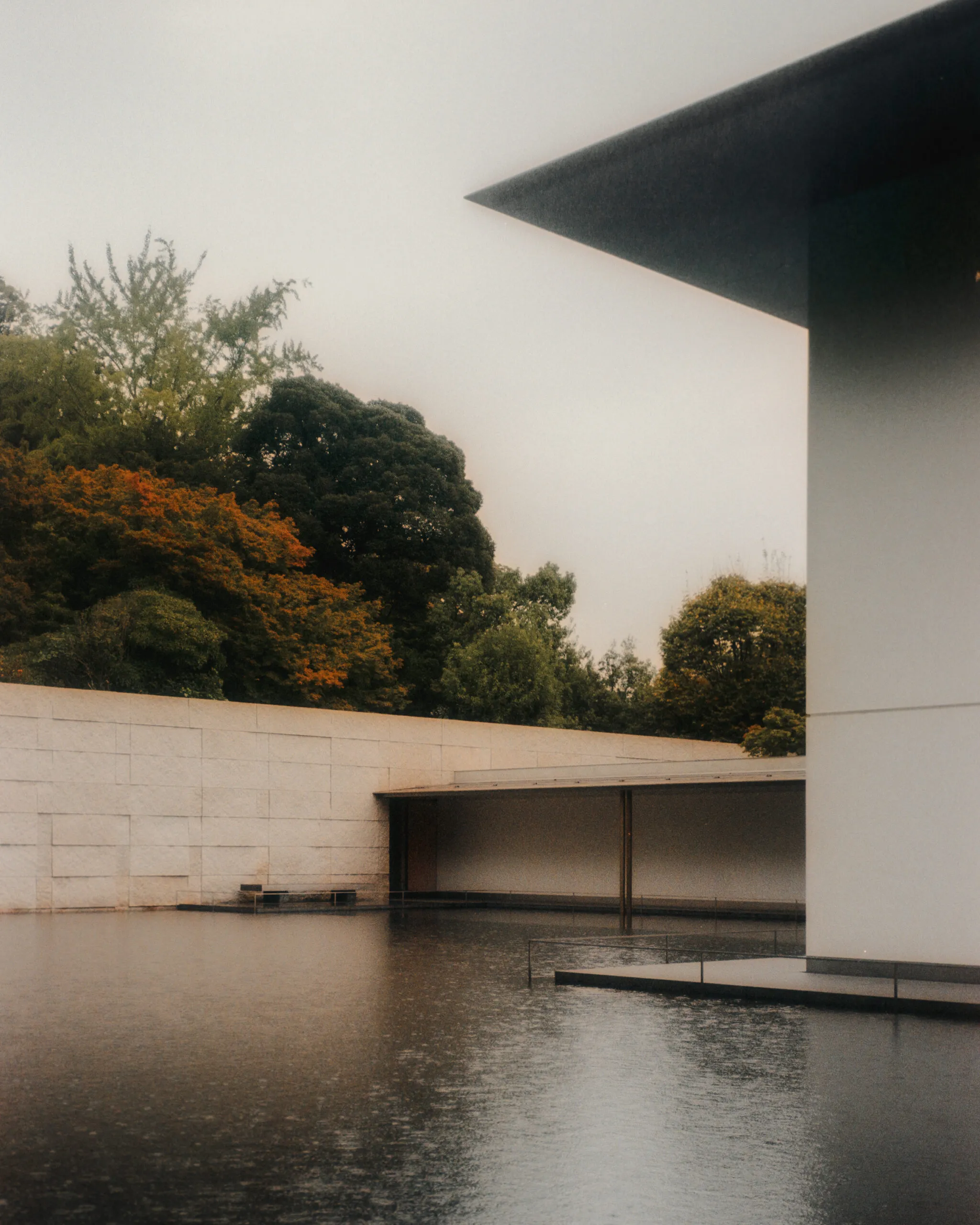
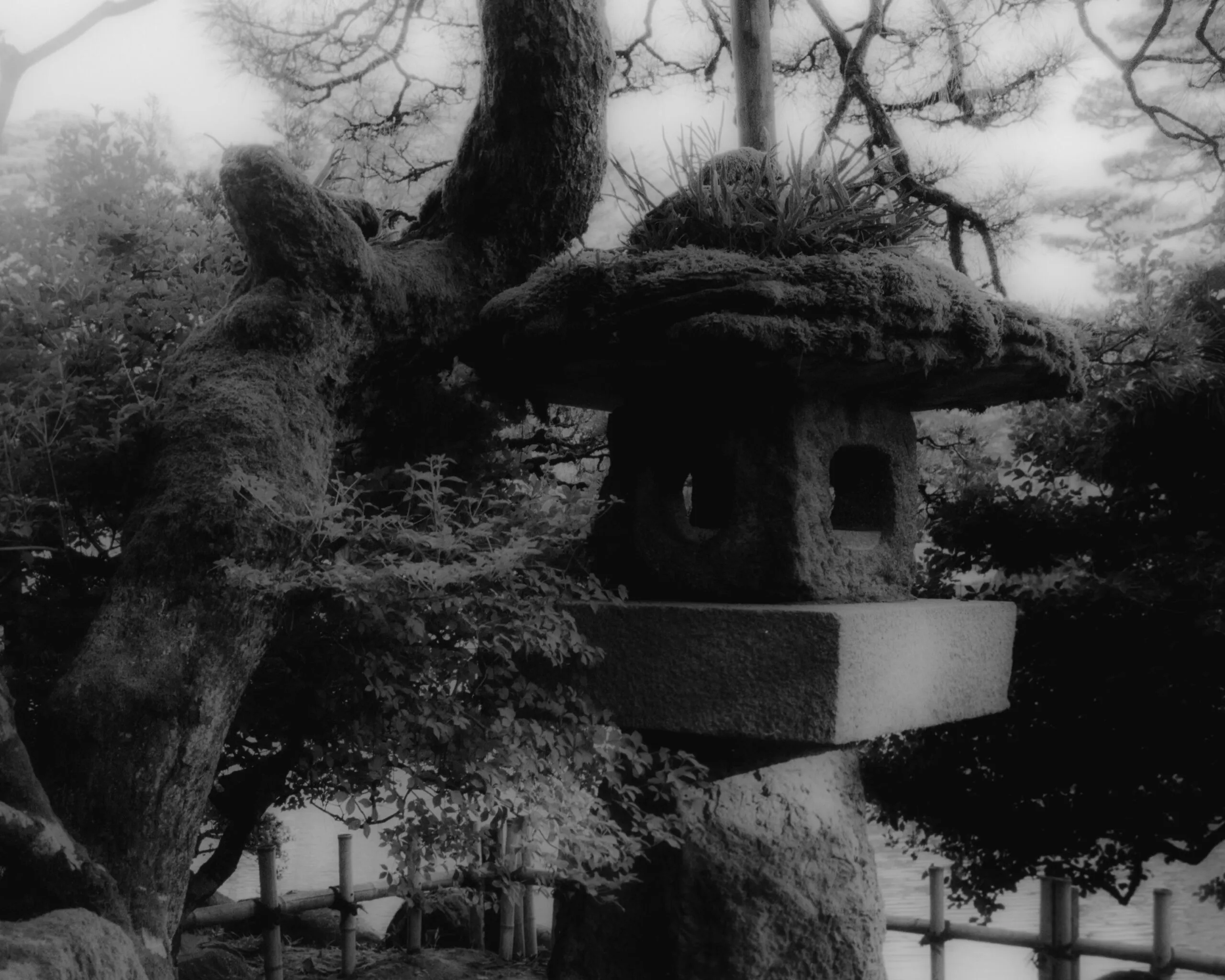
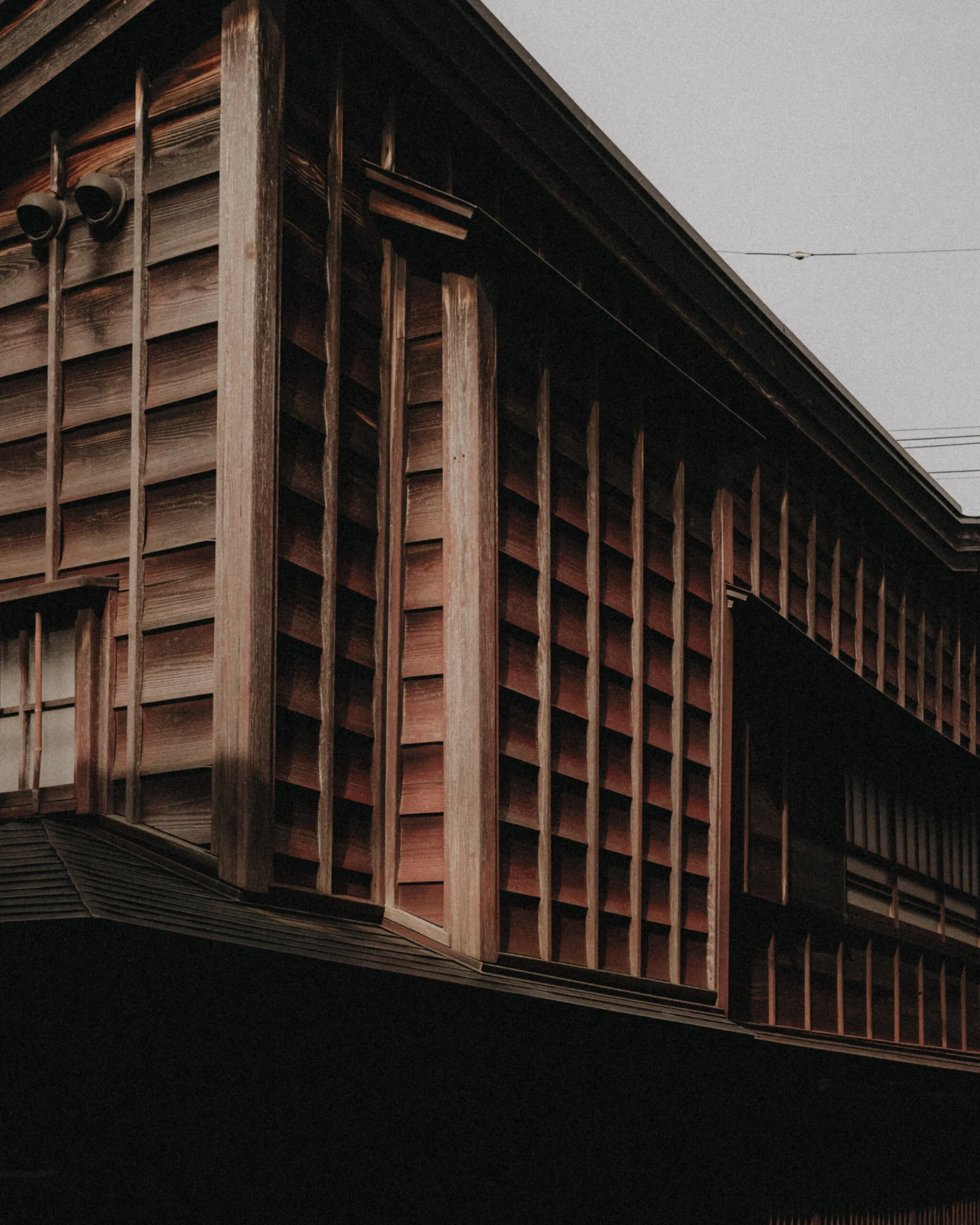
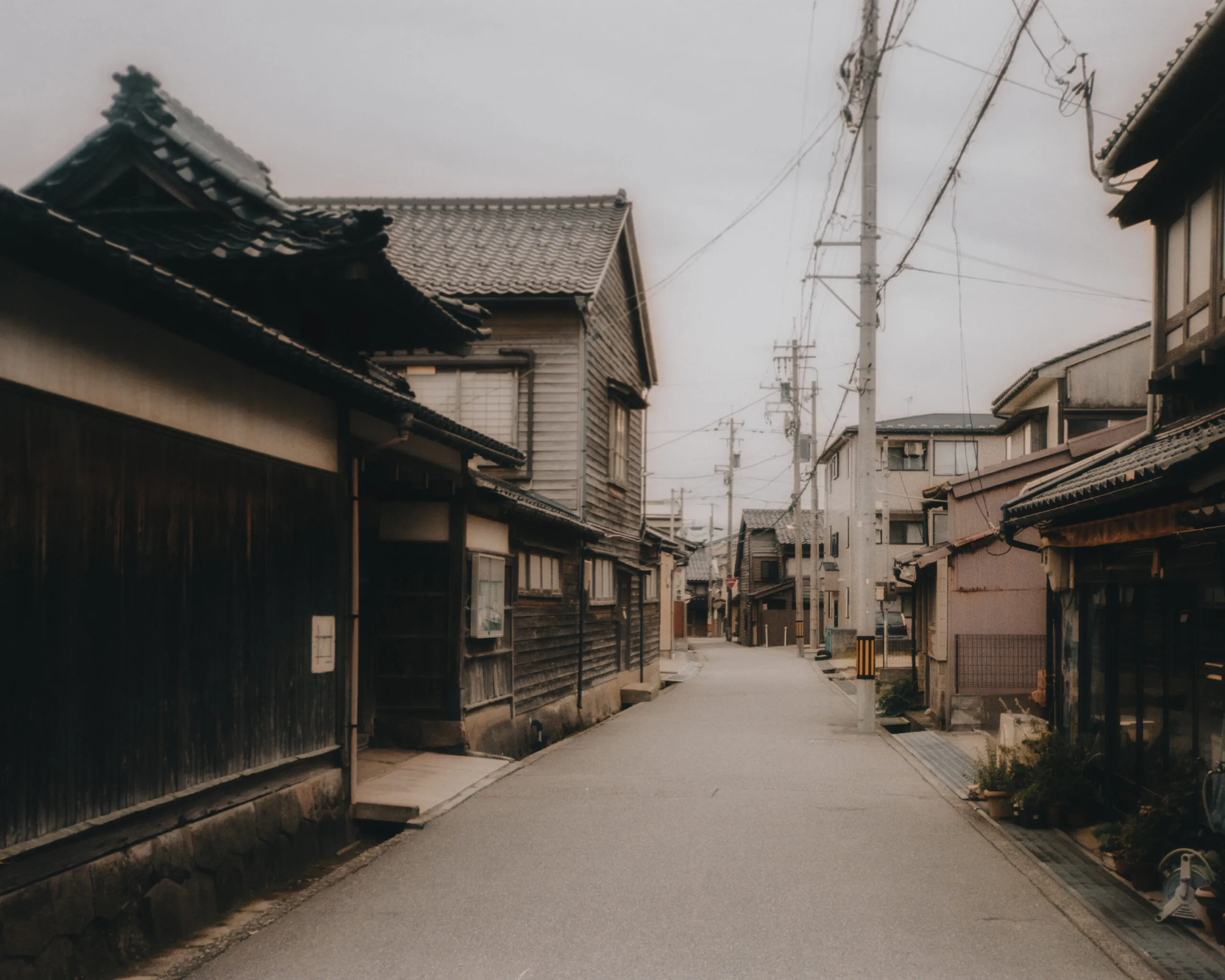
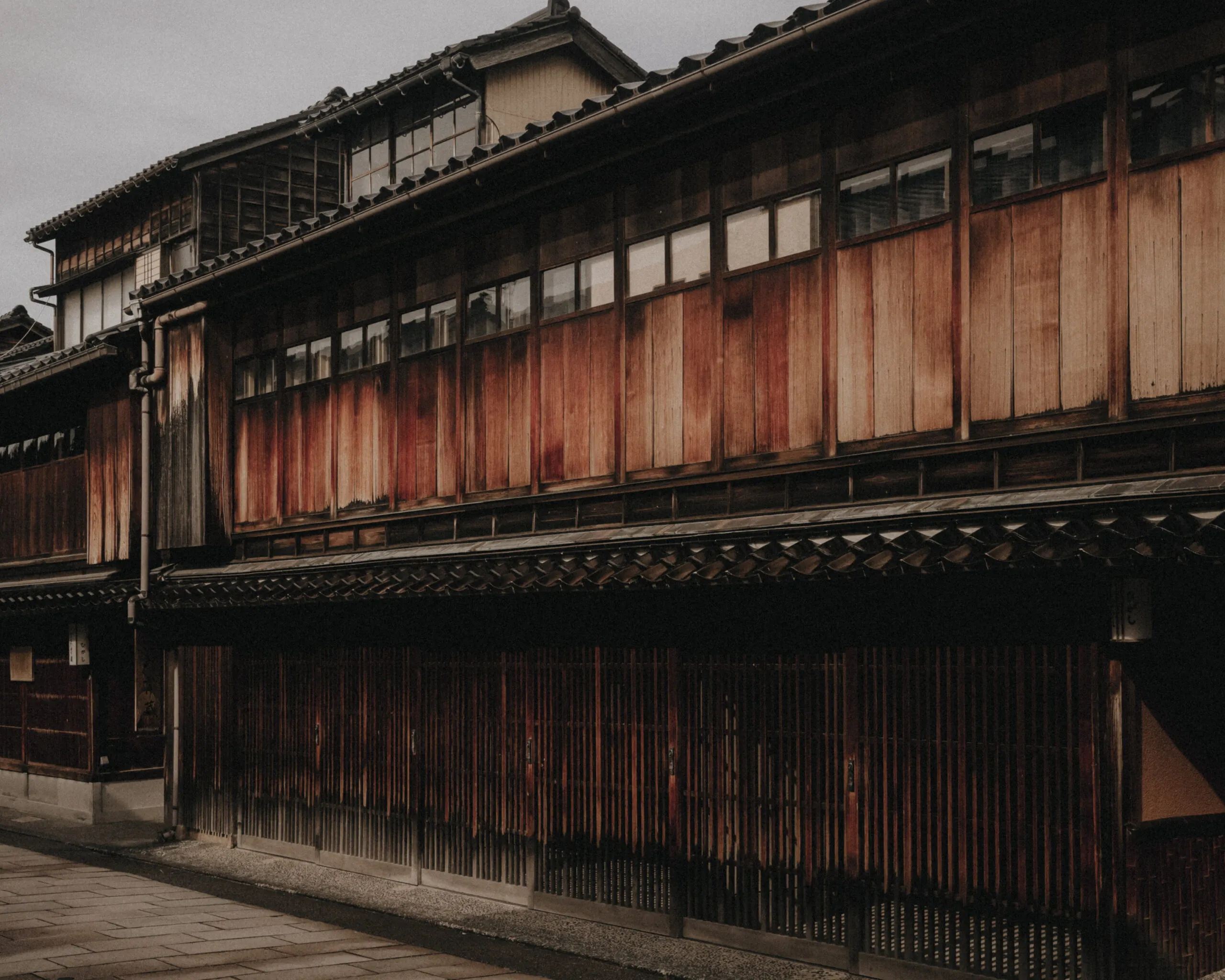
Kanazawa’s ability to harmonise past and present is what makes it unforgettable. It’s a city where you can move from serene gardens steeped in history to avant-garde art installations, then end the day with a meal that feels like an art form in itself. Whether it’s your first visit or a return trip, Kanazawa has a way of showing you something new while making you feel like you’ve rediscovered something timeless.
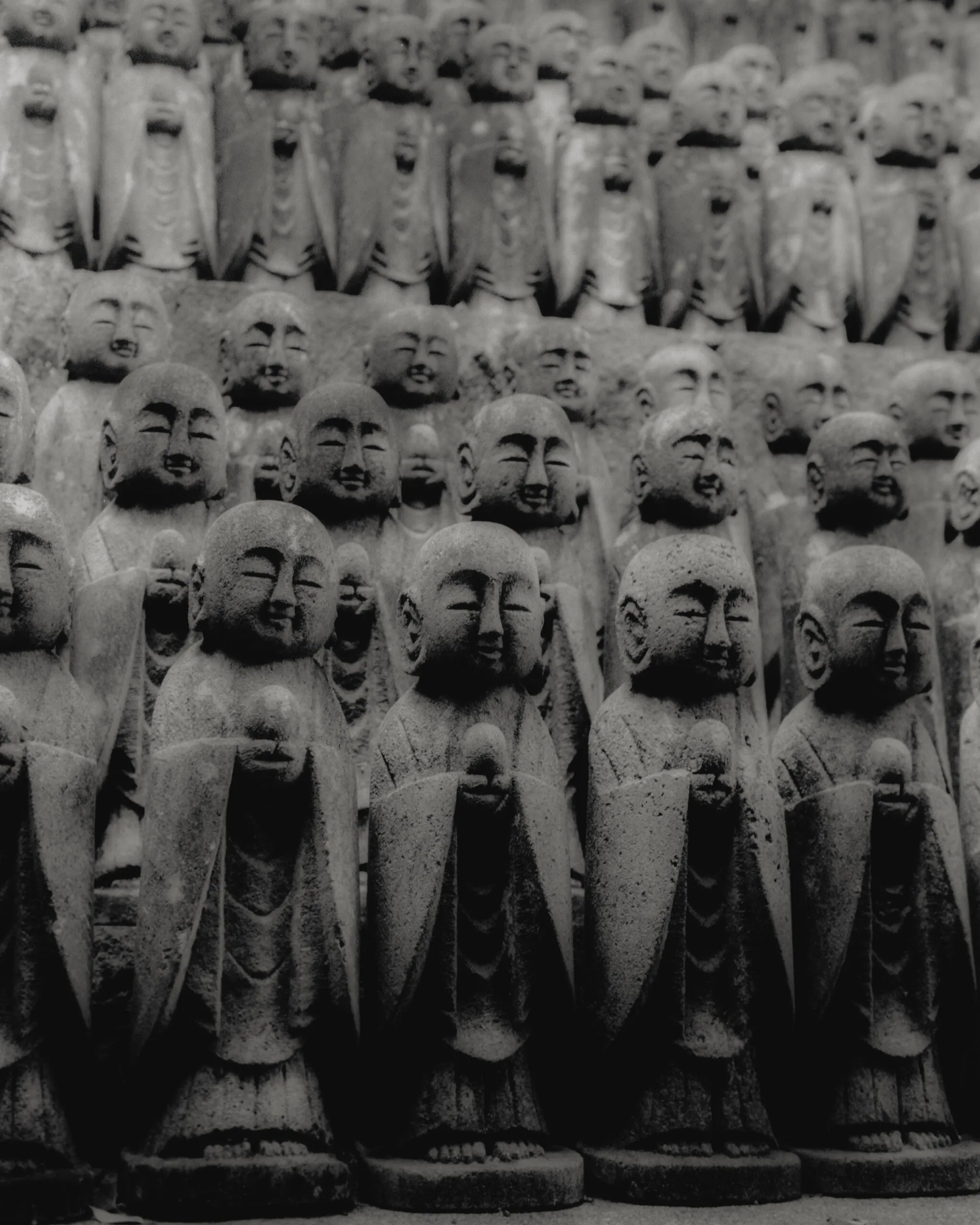
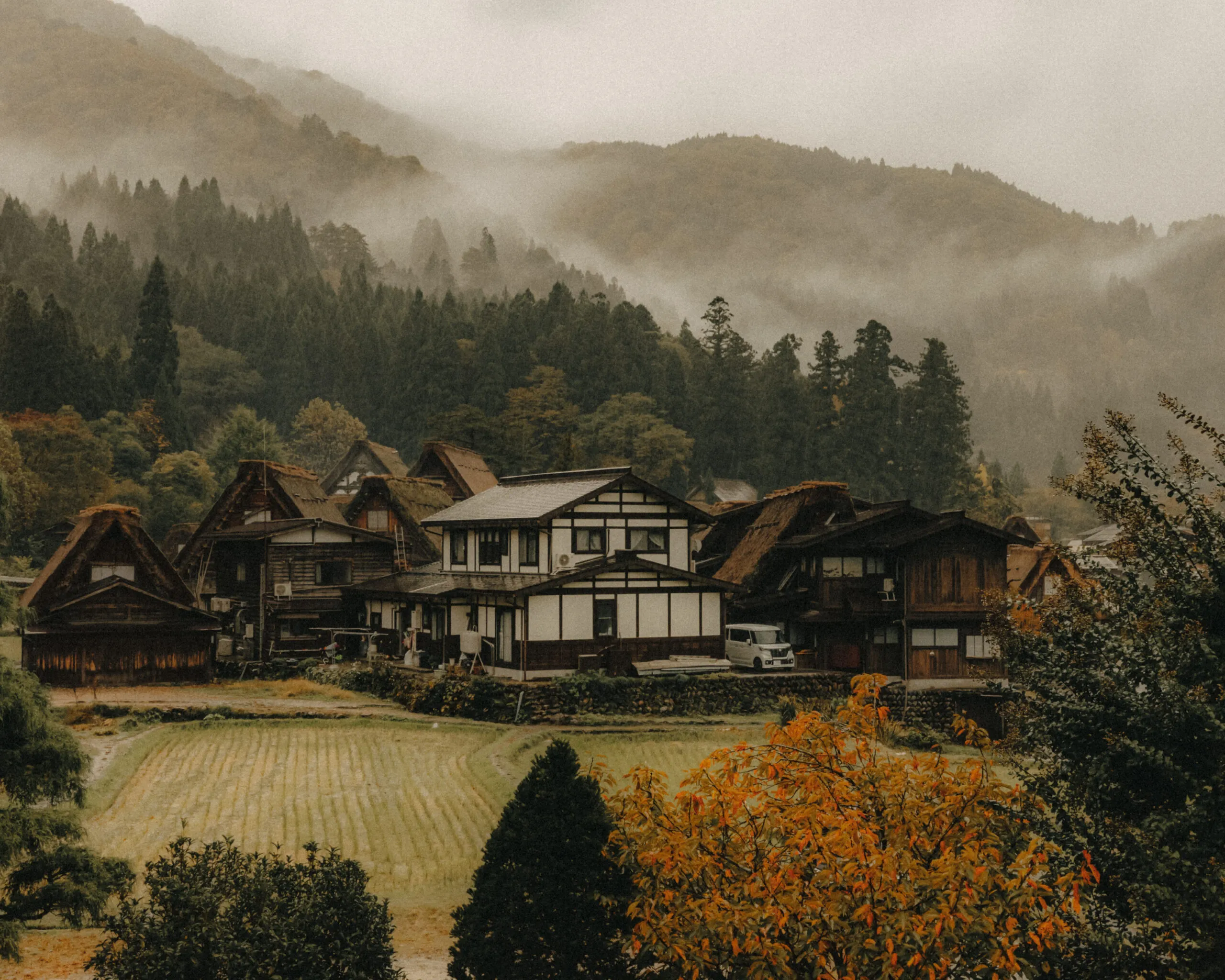
Our day trip to Shirakawa-go, with its iconic thatched-roof gassho-zukuri houses, was like stepping into another era. The houses are ingeniously designed to withstand heavy snowfall, their steep roofs resembling hands in prayer. On our return to Kanazawa, we explored the coast, where the sea breeze added a refreshing dimension to the journey.