
Turning chess
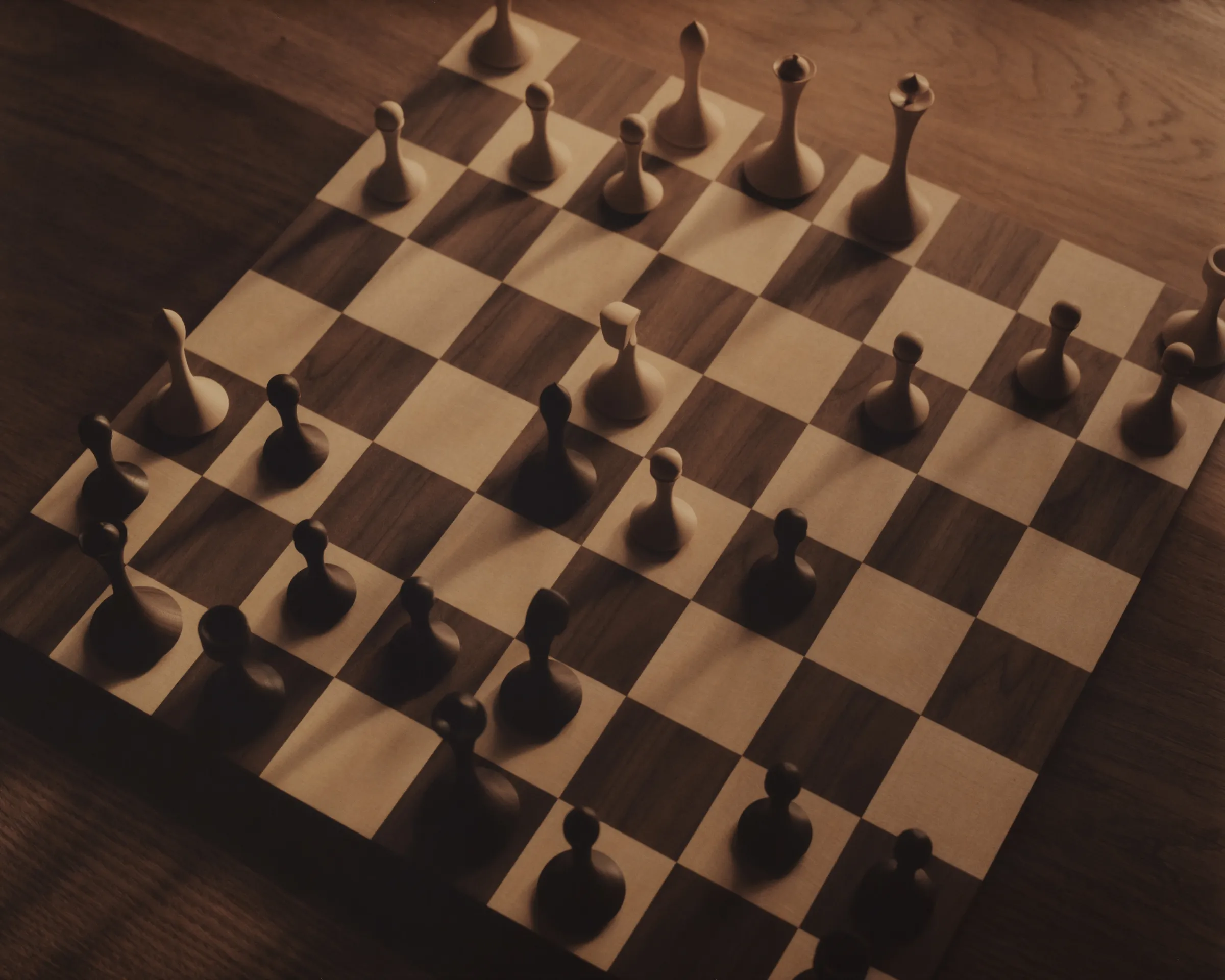
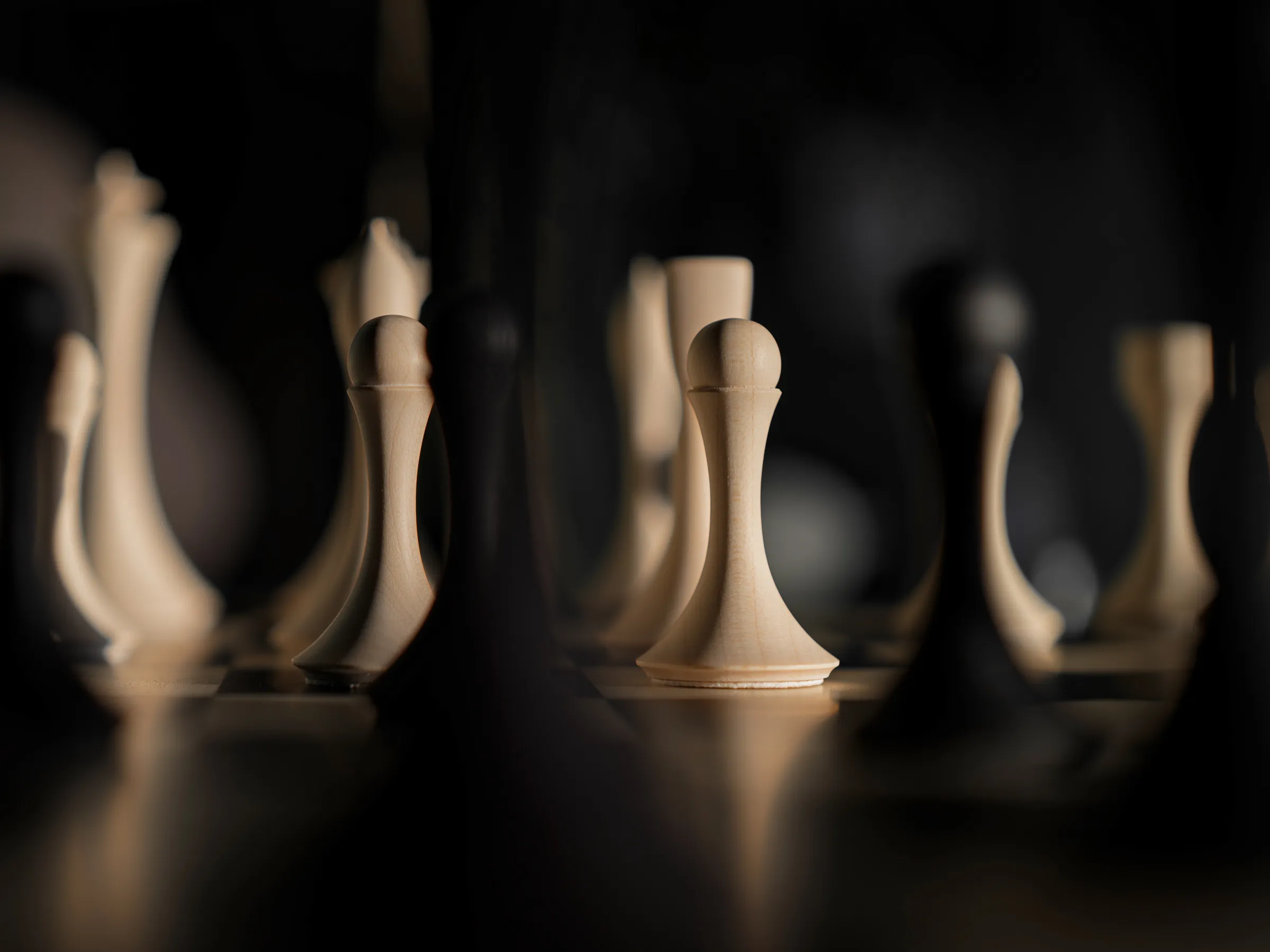
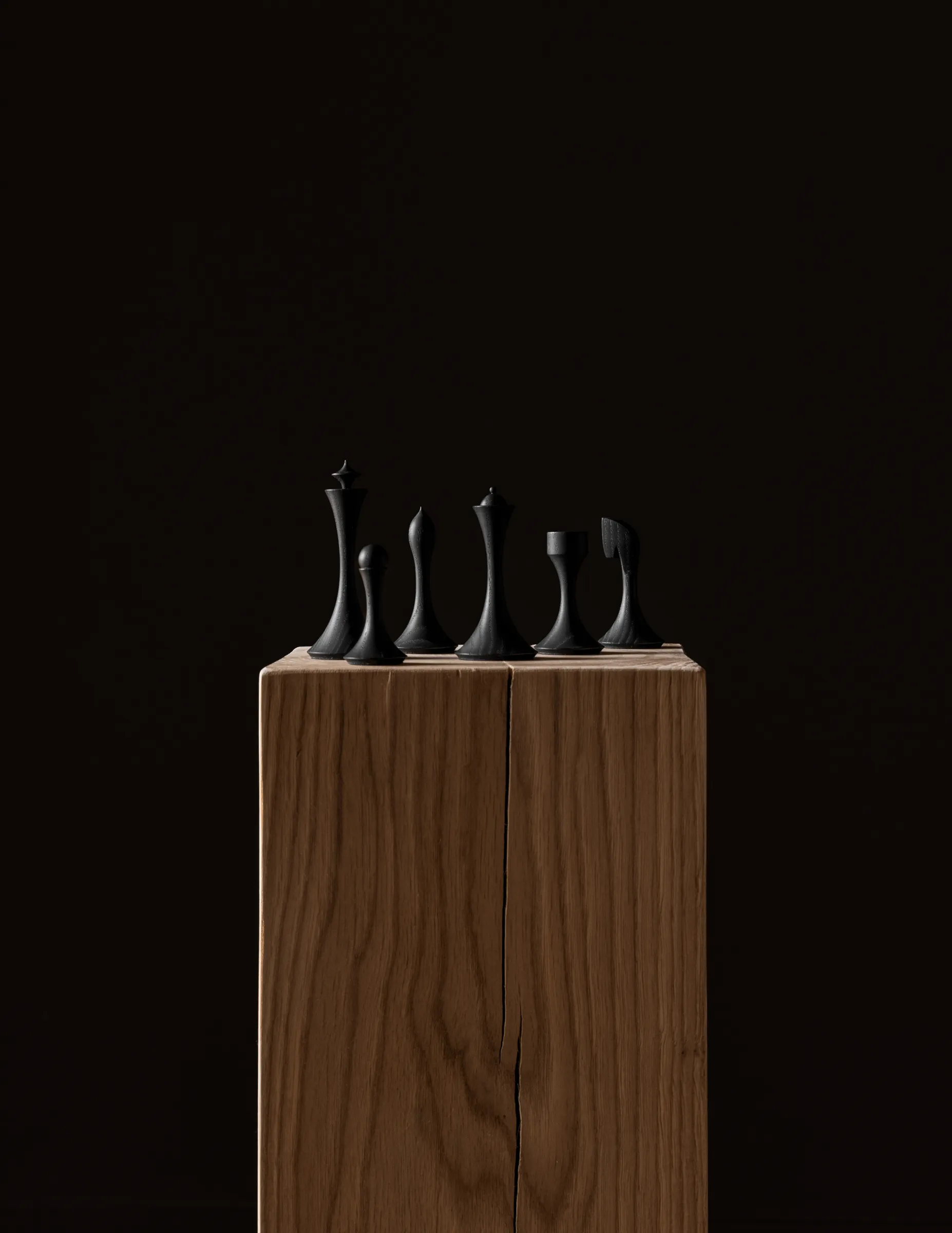
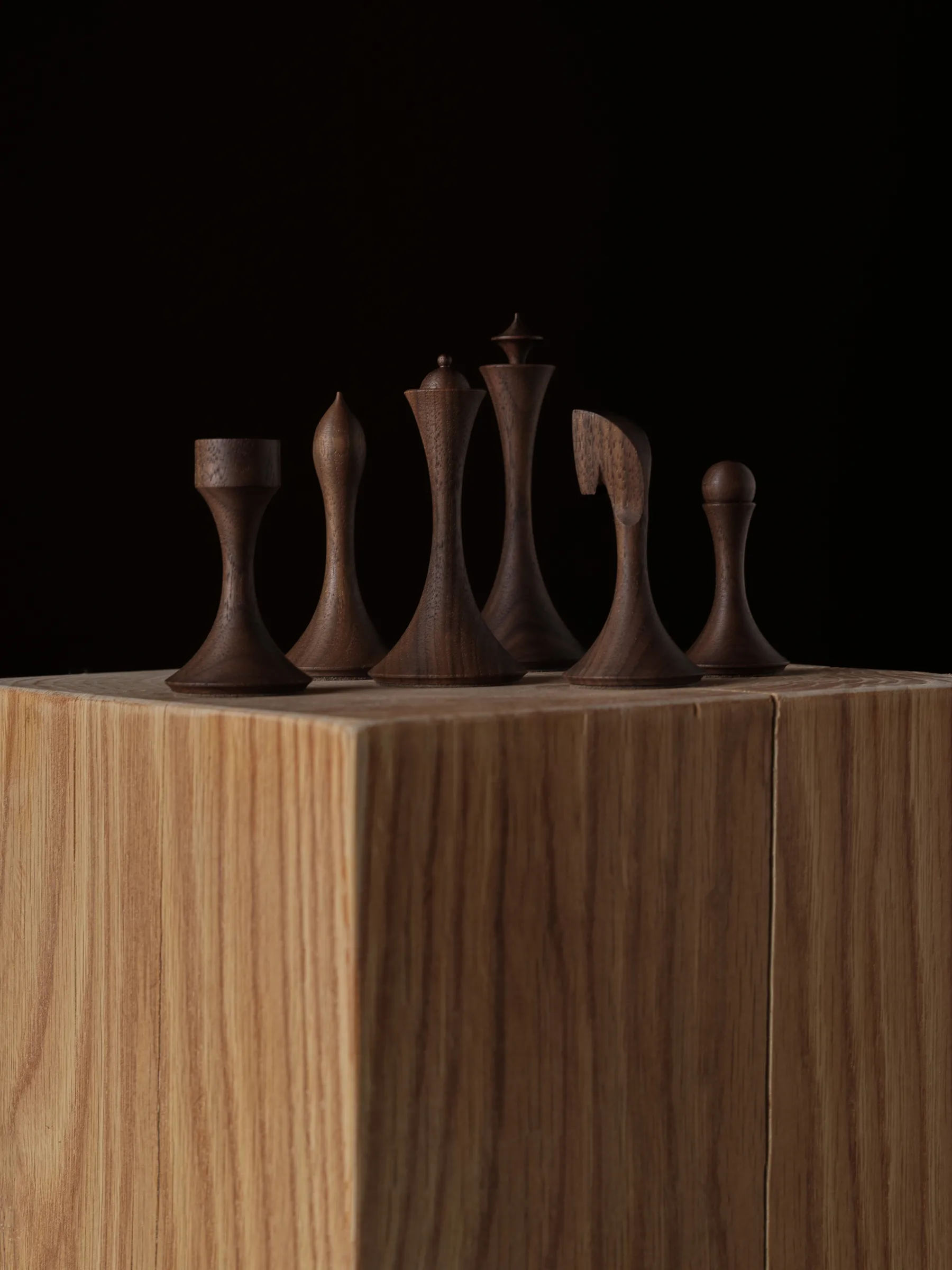
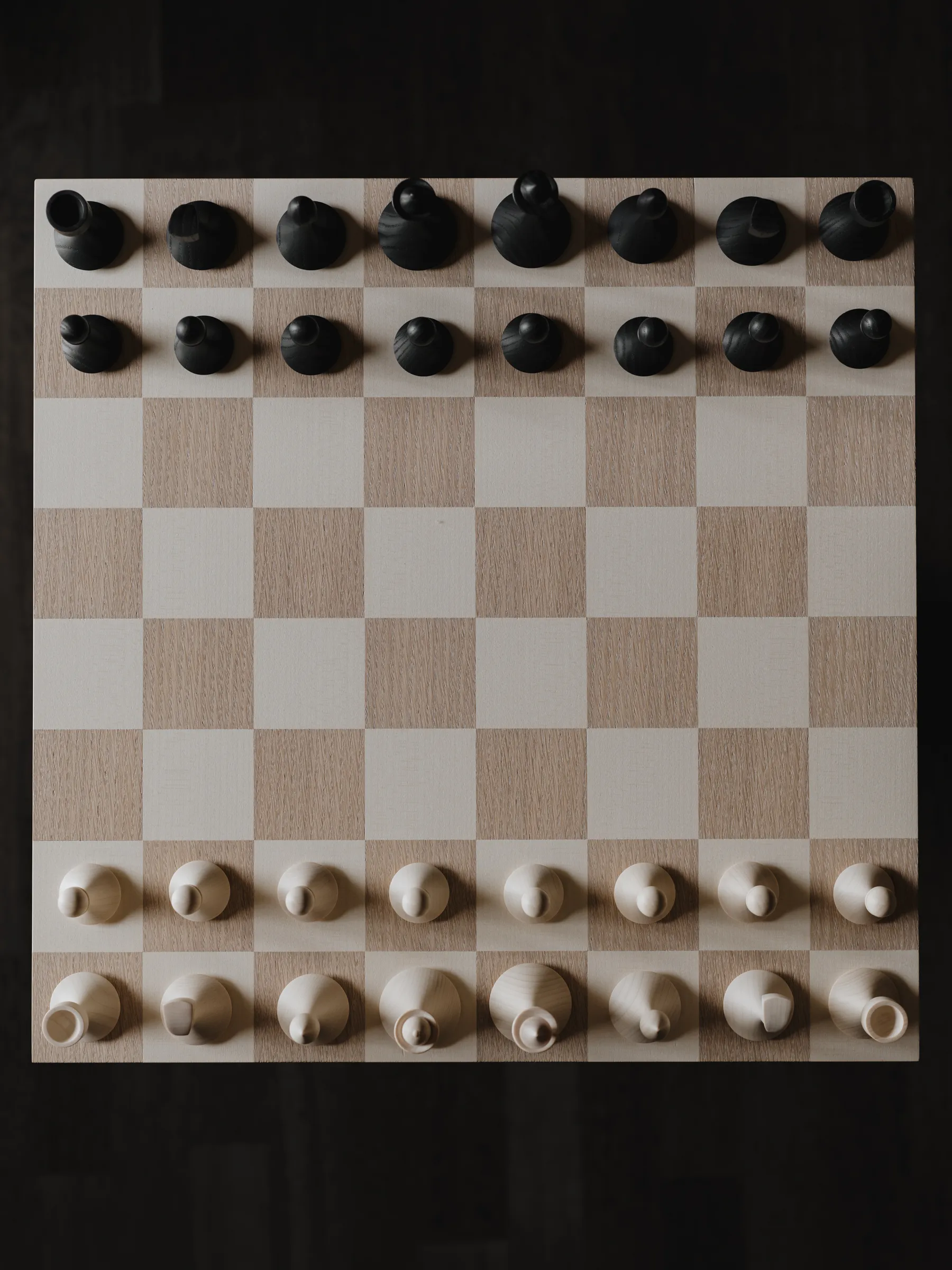
Paul Joshua turns chess sets on a lathe. I photographed his Original Version twice, once digitally and once on film that I then printed by hand in the darkroom. The second set was never meant as a backup for the first.
He wanted pictures that did the objects justice. I wanted a subject where the thing in front of the camera sets the standard instead of a brief. No shot list, no mood board, no revision round.
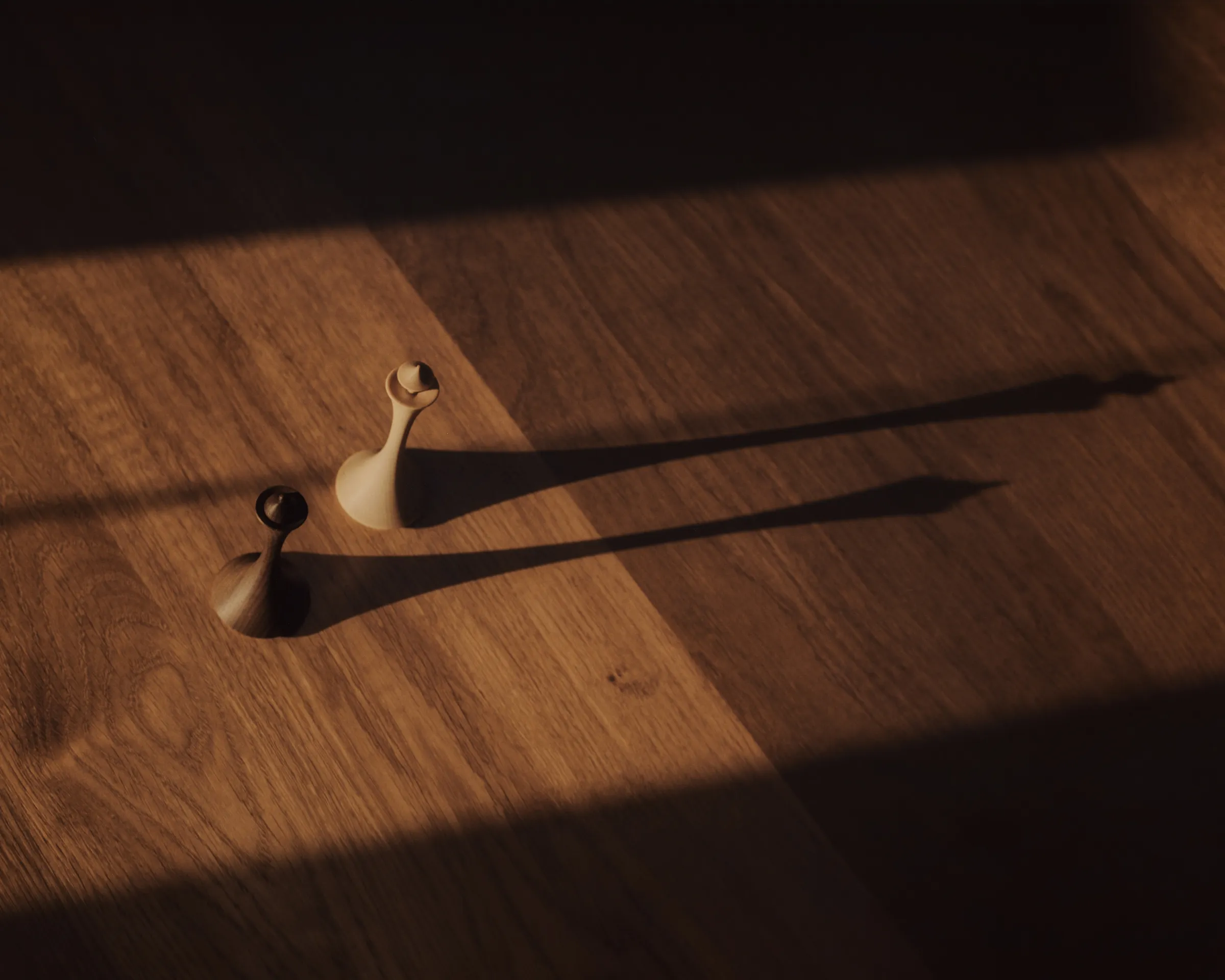
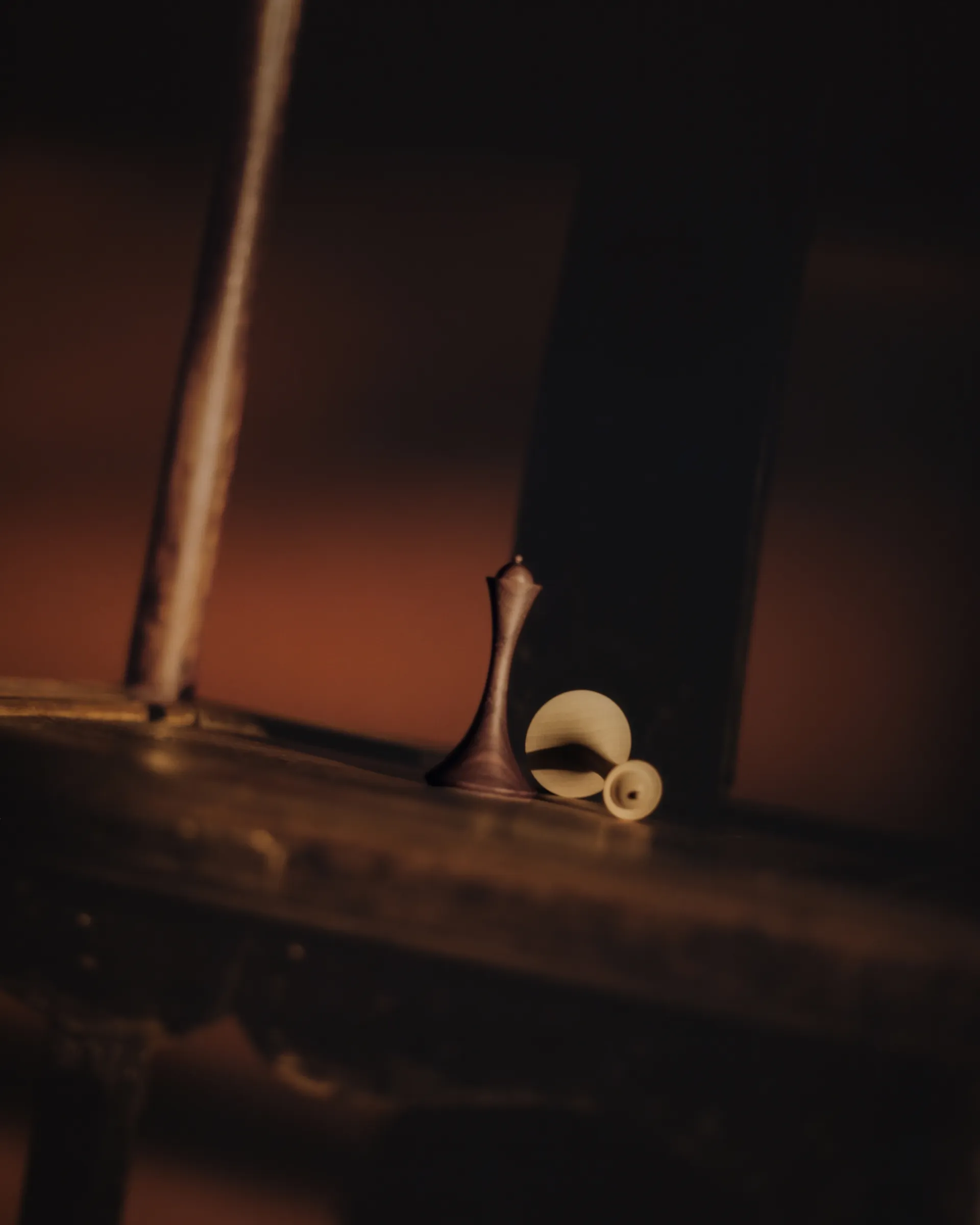
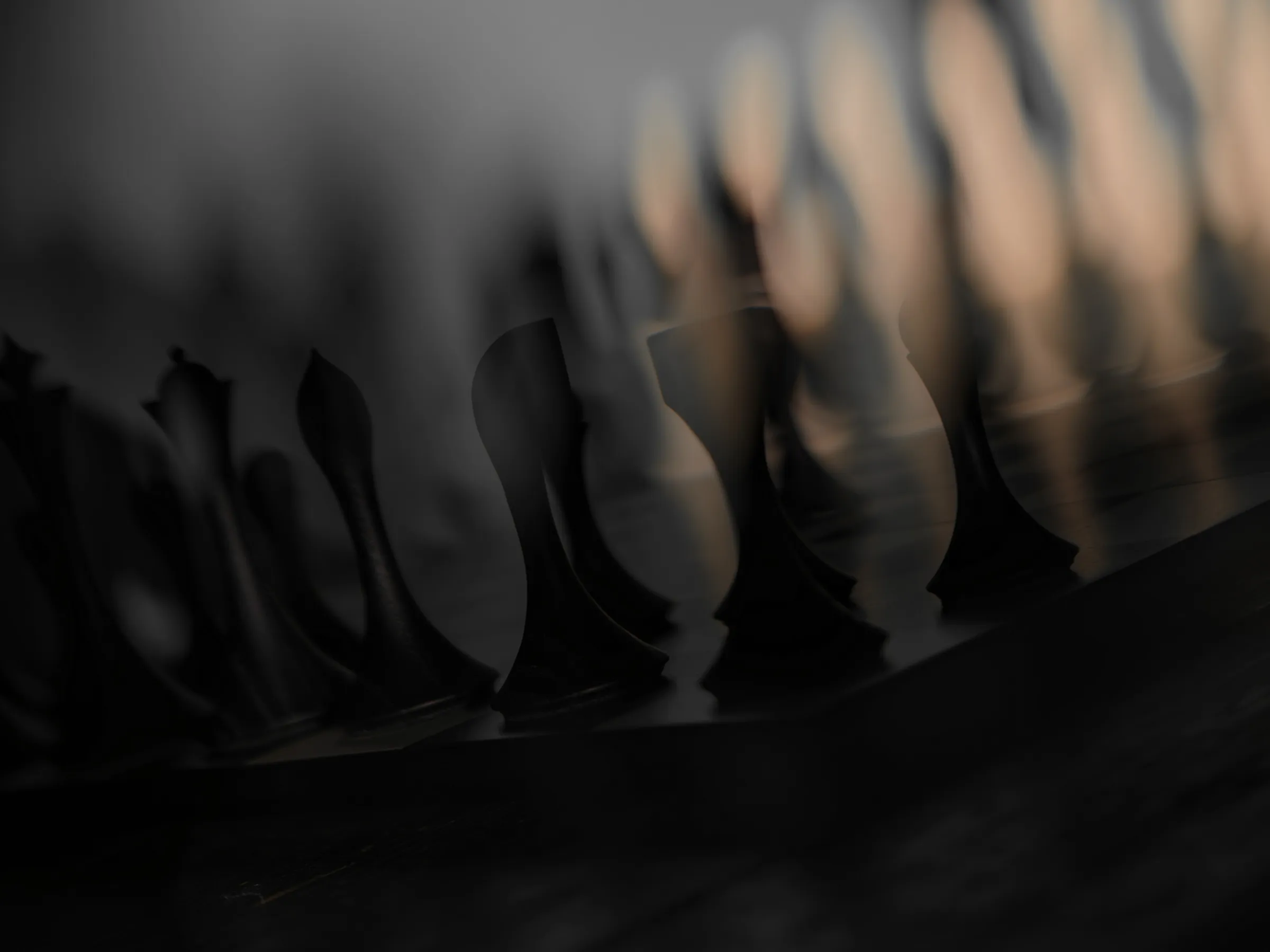
The film was a different job. Long tonal transitions across a turned surface are exactly what film is good at, and the shoulder of the curve protects the light pieces in a way I have never fully replicated in software. I shot a short set of frames, scanned them, and printed the selects myself.
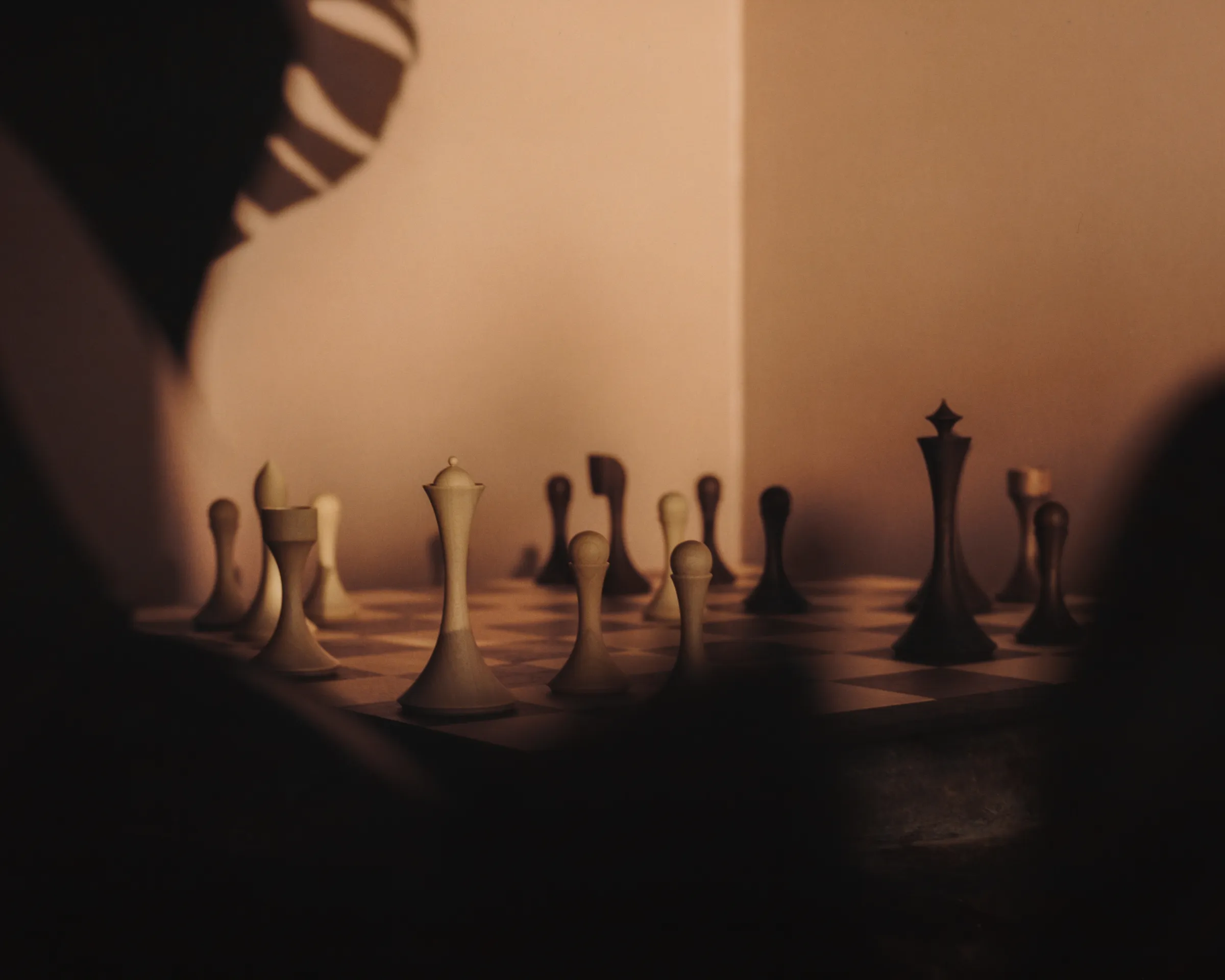
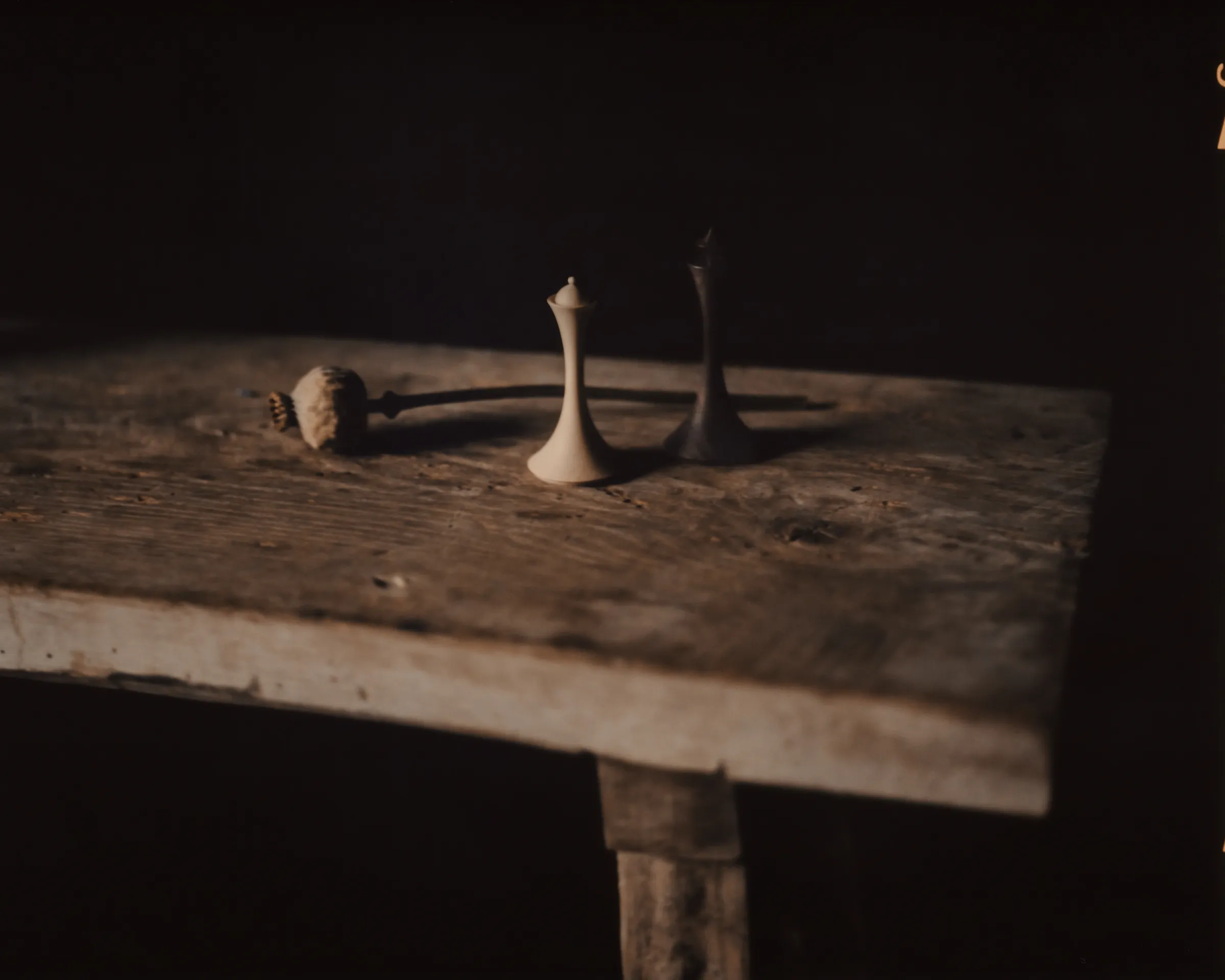
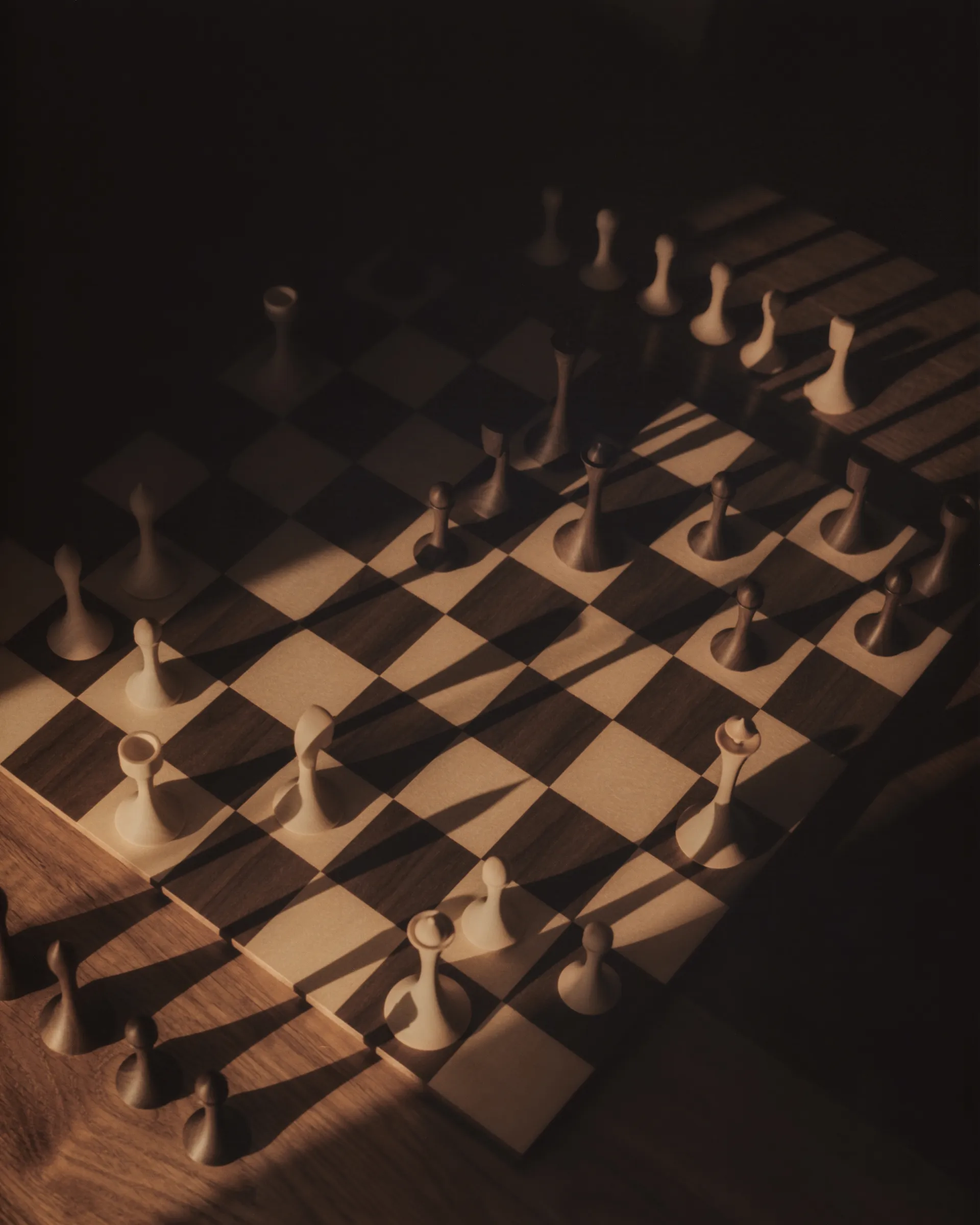
Paul hands over an object made to be kept for a lifetime and passed on. It seemed only fair that some of the pictures should be objects too, with the same fingerprints on them.
Paul did a carpentry apprenticeship between 2015 and 2018 and found woodturning somewhere in the middle of it. He then trained as a Designer in the Skilled Crafts at the Academy for Design and Crafts in Munich, and the chess pieces were his final project. He has worked as a woodturner and designer full time since 2022.
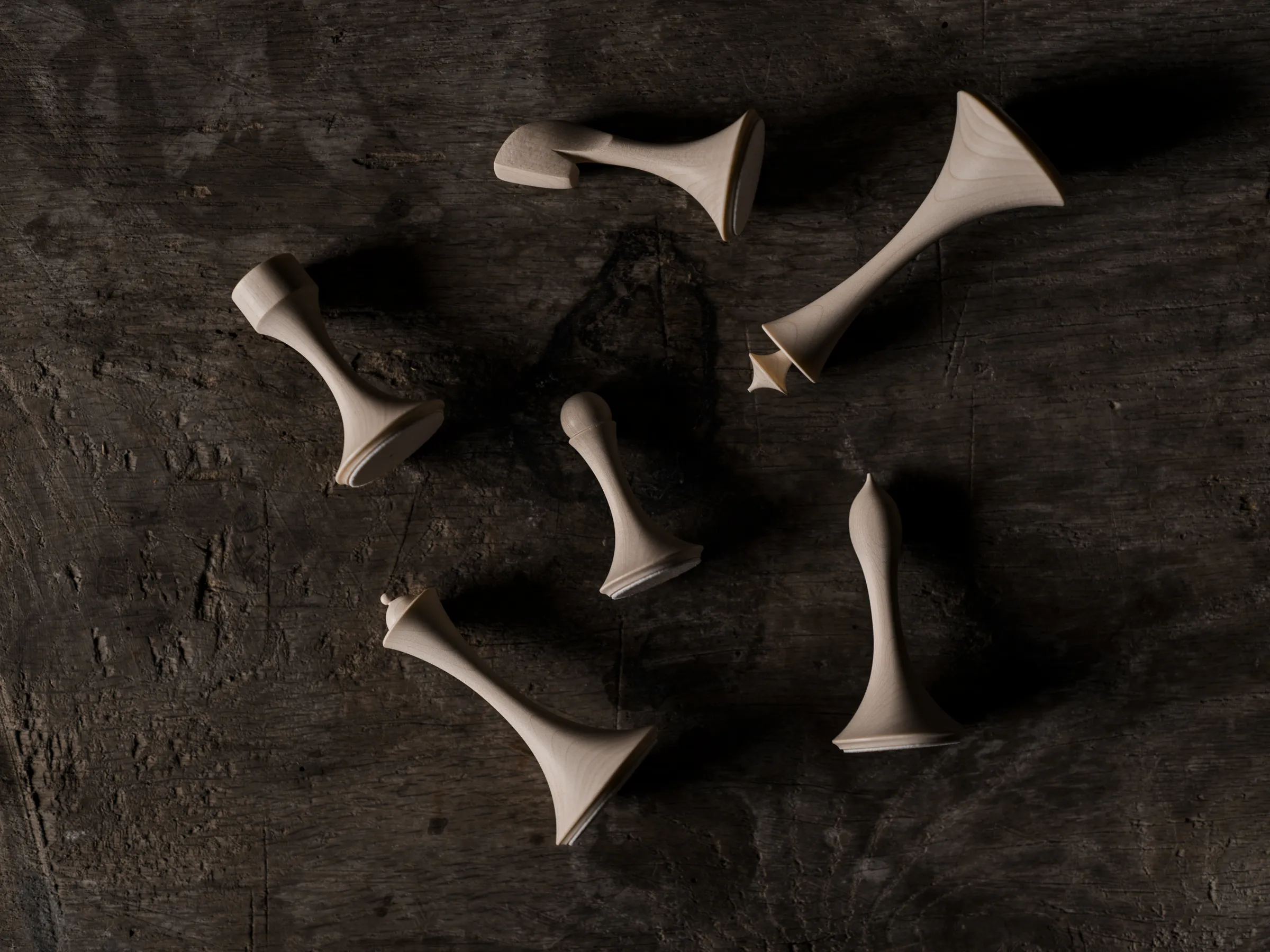
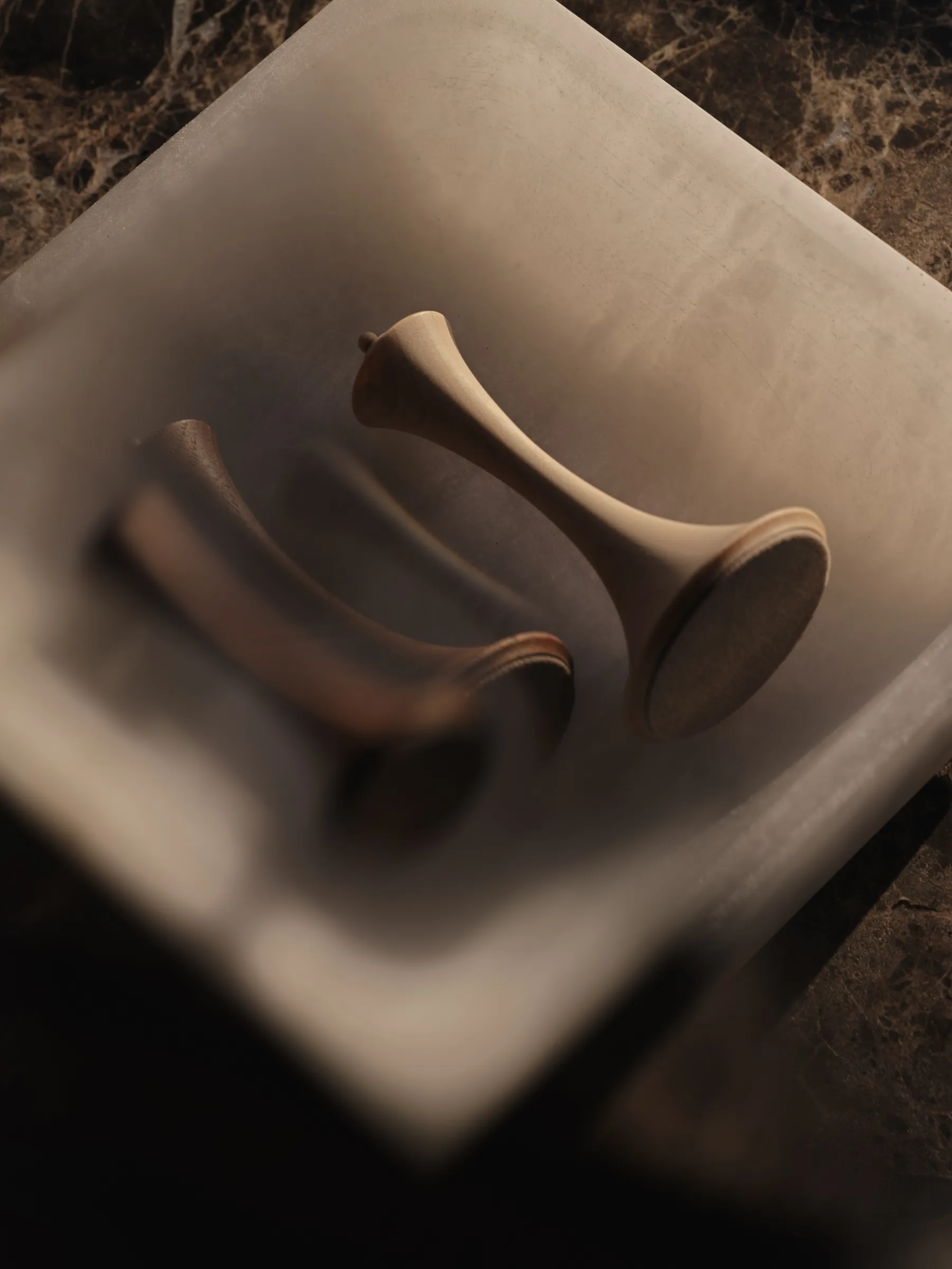
The other thing he points to is Japan. He spent more than six months travelling there in 2020 and says no other style has shaped his approach to design as profoundly. You can read it in the pieces. Nothing is decorated. The knight is the only figurative move on the whole board, and even that is reduced almost to a single gesture.
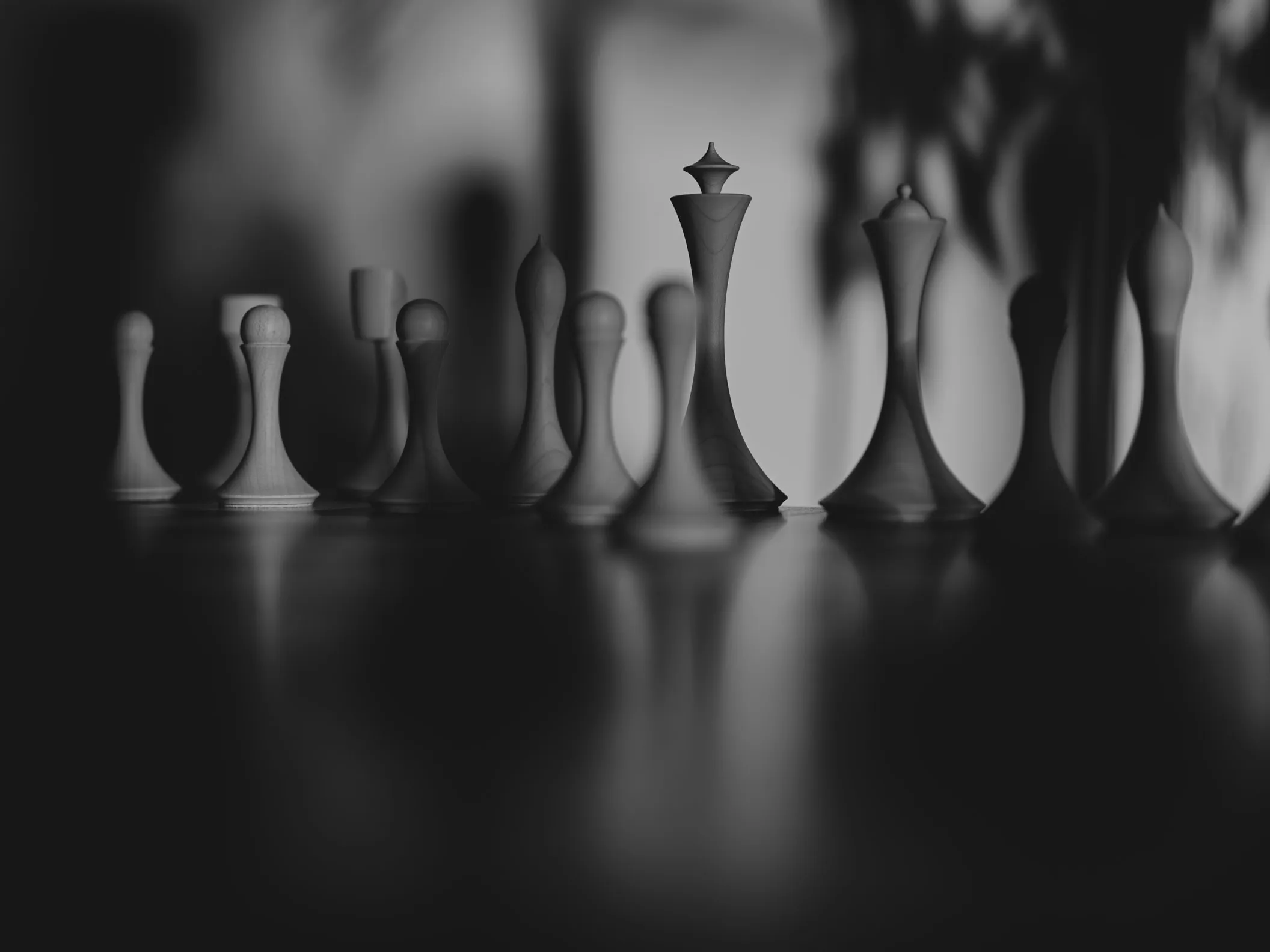
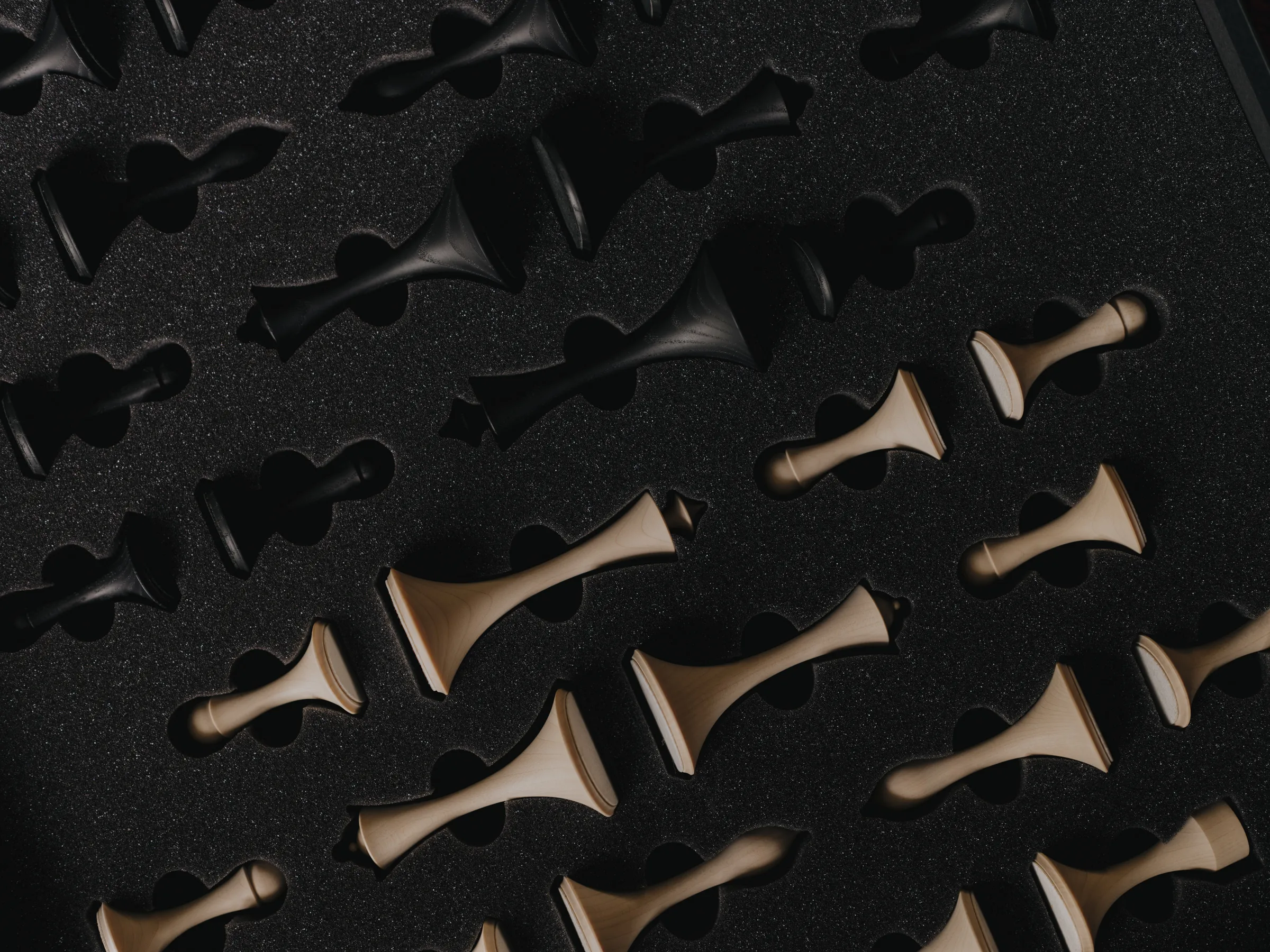
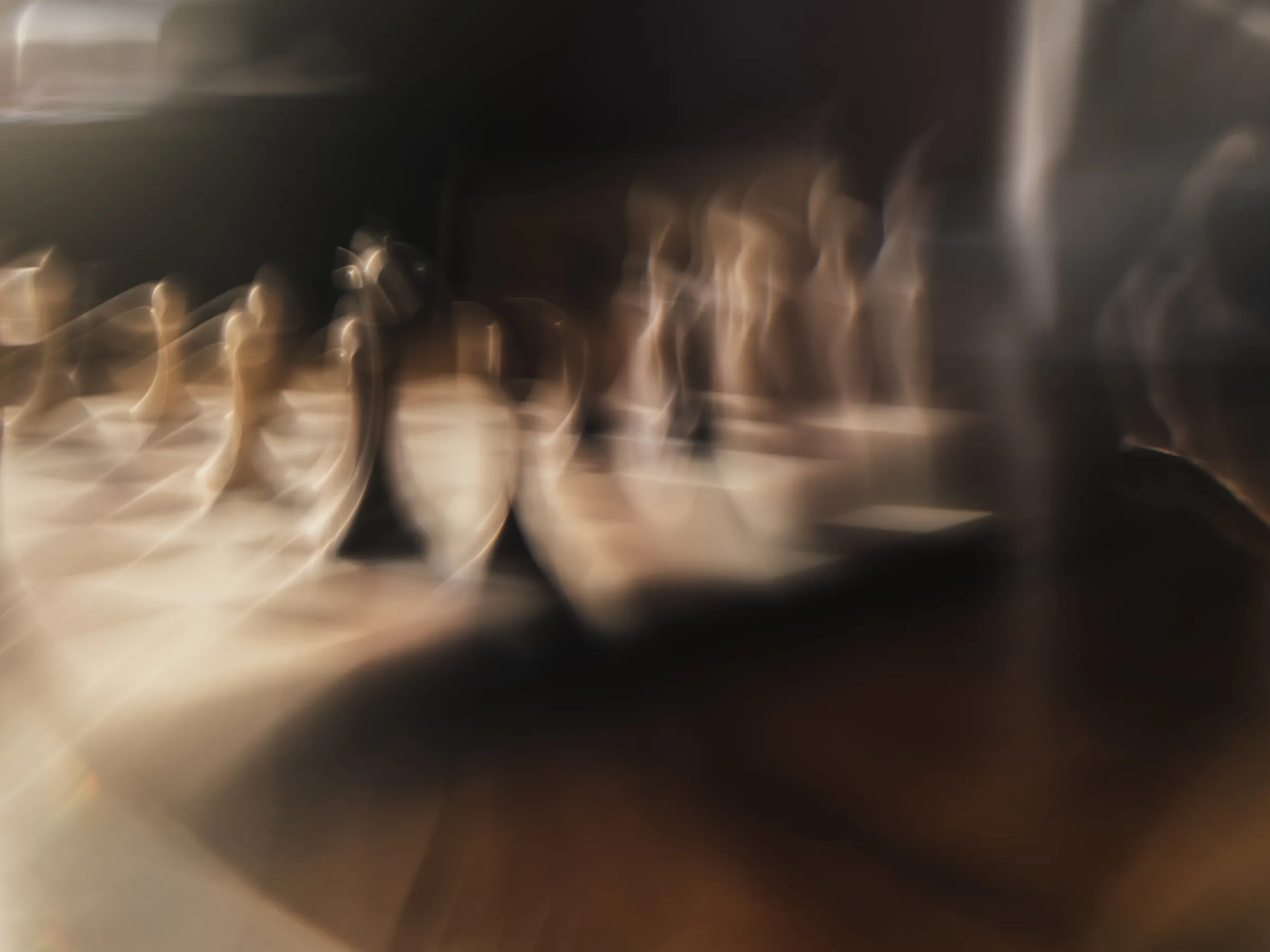
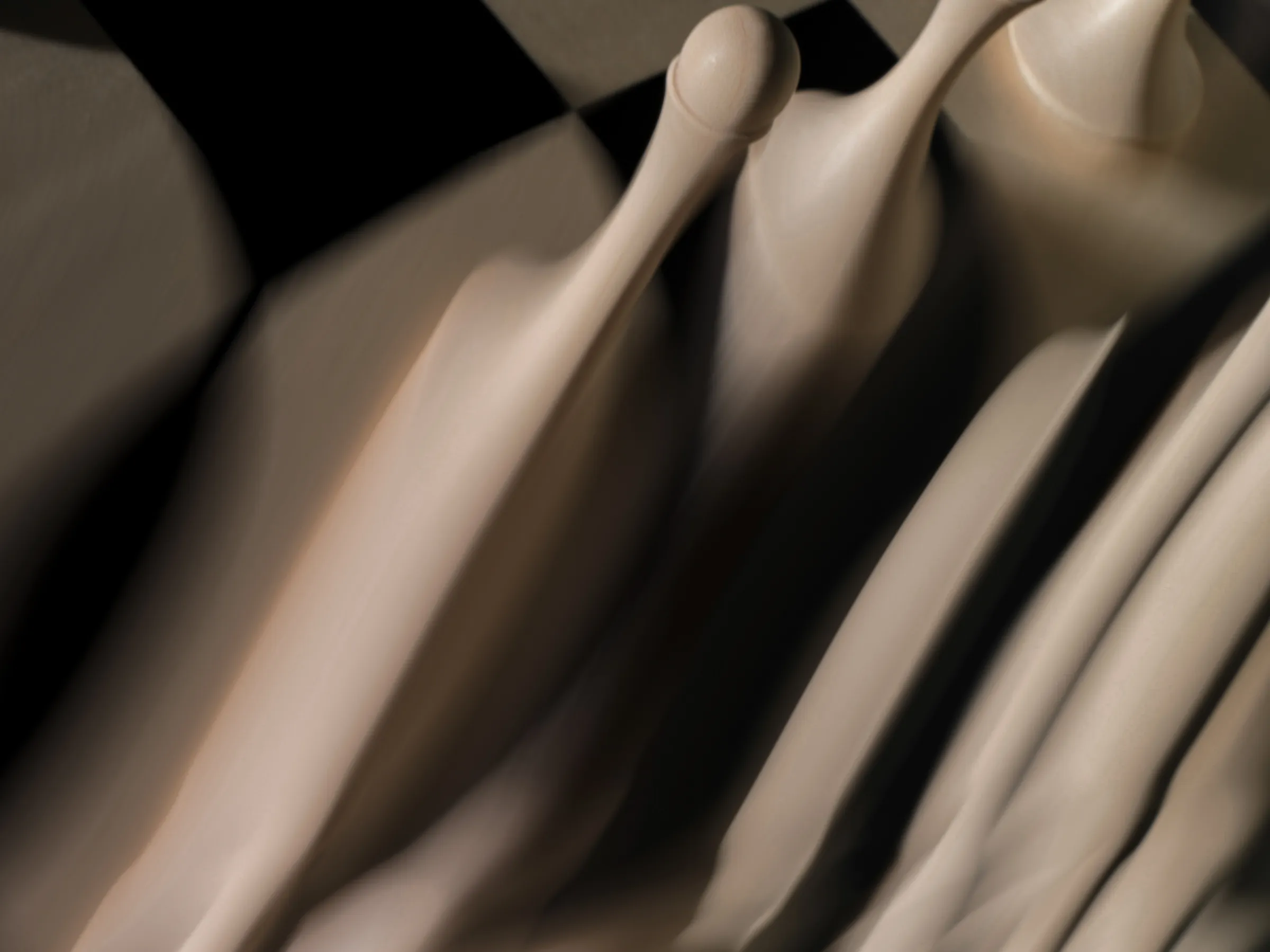
Matte oiled wood barely reflects light, and reflections are usually what tell a lens where a curved surface turns. Without them the shape has to be drawn with soft gradients instead: a large light source, a slow fall-off from bright to dark, and a lot of nudging the pieces a couple of centimetres and looking again.
It is the kind of subject I look for. Things made without a season in mind, photographed so the pictures hold up as long as the objects do. Trends pass. Quality stays.